
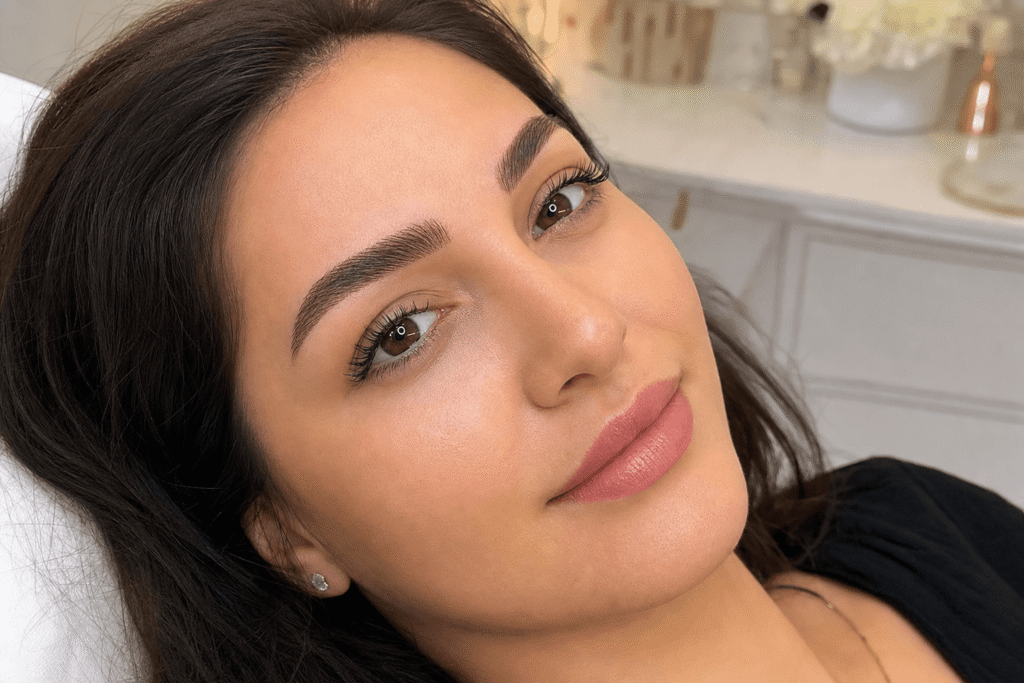
Combo brows represent a hybrid permanent makeup technique that combines the crisp, natural hair strokes of microblading with the soft, filled-in appearance of powder shading. This dual approach creates dimension and fullness that mimics real brow hair while providing the density many clients desire. Unlike pure microblading or pure powder brows, combo brows offer the best of both worlds: hair-like definition at the front and arch, with subtle shading throughout for depth and coverage.
This guide explains the combo brow technique, compares it to other semi-permanent brow methods, identifies ideal candidates, and walks through the healing process so you can decide if this approach suits your skin type and aesthetic goals.
Quick Answer
Combo brows are a semi-permanent makeup technique that layers hair stroke microblading with powder shading to create natural-looking, fuller brows with both texture and density that typically last 18-24 months before requiring a touch-up.
Key Takeaways
- Combo brows combine microblading hair strokes with powder shading for natural fullness.
- Expect results to last 18-24 months before needing a professional touch-up session.
- Choose combo brows if you want defined texture without a sparse look.
- Oily skin types benefit from more shading to balance hair stroke retention.
- Book with PHI-certified artists to ensure proper technique and pigment placement.
What Are Combo Brows? Definition and Overview
Combo brows blend two distinct permanent makeup techniques into one cohesive treatment. The artist first applies hair strokes using a microblading blade or nano needle, creating fine, crisp lines that mimic individual brow hairs. Then, they add a soft powder shading layer using a PMU machine, depositing pigment in a gradient pattern that adds depth without looking blocky or harsh.
This combination addresses a common frustration: microblading alone can look sparse on certain skin types, while powder brows alone may appear too filled-in or makeup-like. By layering both methods, the result looks natural up close with visible hair strokes, yet appears full and defined from a distance.
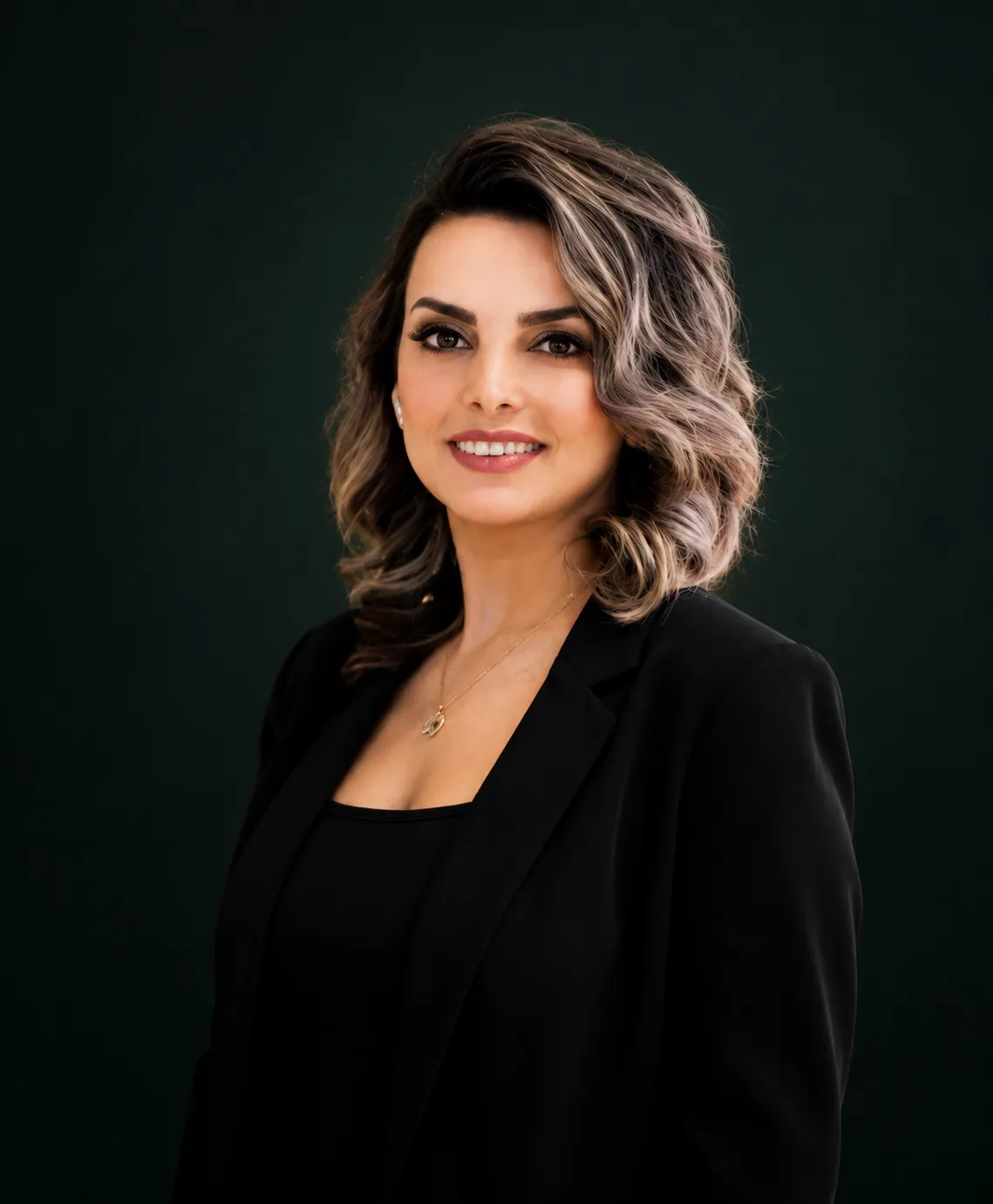
At Arezoo Beaute, we often see clients who tried microblading elsewhere and found the results too subtle for their preferences. The combo technique allows Arezoo and her team to customize the ratio of hair strokes to shading based on your natural brow density, skin type, and desired boldness.
How Combo Brows Work: Technique Explained
The combo brow procedure unfolds in two phases. During the first phase, the artist maps your brow shape using the golden ratio principles taught in PHI certification programs. This mapping ensures symmetry and proper proportion relative to your facial features.
Next comes the hair stroke application. Using a microblading blade or nano needle, the artist creates fine incisions in the skin and deposits pigment into each stroke. These strokes follow the natural direction of your existing brow hairs. After completing the hair strokes, the artist switches to a PMU machine with a shading needle configuration. This machine deposits pigment in a stippling or gradient pattern, building color density gradually. The shading typically concentrates in the body and tail of the brow, with lighter application at the front to maintain a soft, natural fade.
The entire process takes 2-3 hours, including numbing time. Most artists apply a topical numbing cream before starting and reapply during the procedure to maintain comfort.
Expert Tip from Arezoo Beaute
Avoid caffeine and alcohol 24 hours before your combo brow appointment. Both thin your blood, which can cause excess bleeding during the procedure and prevent pigment from settling properly in the skin, leading to patchy healed results.
Combo Brows vs Microblading vs Powder Brows
Understanding the differences between these three techniques helps you choose the approach that matches your skin type, lifestyle, and aesthetic preferences.
| Feature | Combo Brows | Microblading | Powder Brows |
|---|---|---|---|
| Technique | Hair strokes + machine shading | Blade-only hair strokes | Machine shading only |
| Appearance | Natural texture with fullness | Crisp, hair-like only | Soft, makeup-filled look |
| Best For | Most skin types, moderate-full coverage | Dry/normal skin, subtle enhancement | Oily skin, bold defined brows |
| Longevity | 18-24 months | 12-18 months | 24-36 months |
Microblading creates the most natural, hair-like strokes but lacks density. The blade technique also struggles on oily skin because excess sebum causes hair strokes to blur or fade faster. Powder brows deliver the longest-lasting results and work beautifully on oily skin, but the filled-in look can appear too bold for clients who prefer a softer appearance. Combo brows split the difference, with hair strokes adding natural texture while the shading provides coverage and definition.
Who Should Get Combo Brows? Ideal Candidates
Combo brows suit clients with sparse brows, visible gaps, asymmetrical brows, or those who spend significant time filling in brows with makeup daily. Oily or combination skin types often achieve better results with combo brows than with microblading alone, as the shading component compensates for any hair stroke blurring during healing.
However, combo brows may not suit everyone. Clients with very oily skin throughout the brow area might achieve longer-lasting results with pure powder brows. Those with extremely sensitive skin or active skin conditions like eczema or psoriasis in the brow area should postpone permanent makeup until their skin stabilizes. Pregnant or nursing clients should also wait, as hormonal changes affect pigment retention and healing. Anyone taking blood-thinning medications, undergoing chemotherapy, or with certain autoimmune conditions should consult their physician before booking.
AREZOO BEAUTE
Ready to enhance your natural beauty?
Book your consultation today and let our expert team help you choose the perfect treatment for your goals.
Combo Brows Healing Process and Aftercare
The combo brow healing process unfolds over 4-6 weeks, with visible changes occurring almost daily during the first two weeks. Understanding this timeline helps you set realistic expectations.
Week-by-Week Healing Timeline
| Healing Stage | Timeline | What Happens |
|---|---|---|
| Immediate Post-Procedure | Days 1-2 | Brows appear darker and bolder than final result, slight redness and tenderness |
| Initial Healing | Days 3-5 | Color deepens further before lightening, mild itching begins |
| Flaking Phase | Days 5-10 | Skin flakes and peels, color appears patchy or uneven, resist picking |
| Ghosting Phase | Days 10-14 | Brows look very light or nearly disappeared, pigment resurfaces over next 2 weeks |
| Color Return | Weeks 3-4 | True color emerges as skin fully heals, brows soften to final appearance |
| Complete Healing | Weeks 4-6 | Final result visible, ready for 6-8 week touch-up to perfect shape and color |
Essential Aftercare Instructions
Keep your brows dry for the first 7-10 days. Avoid direct water contact during showers, swimming, saunas, and intense workouts. Apply a thin layer of the provided aftercare ointment 2-3 times daily for the first week using clean hands. Avoid all makeup, skincare products, and sunscreen on or near your brows for 10 days. Sleep on your back with a clean pillowcase, and skip intense workouts for the first week. Avoid direct sun exposure and tanning beds for 4 weeks minimum. Once healed, always apply SPF 30+ sunscreen over your brows when outdoors to protect your investment and maintain color vibrancy. For comprehensive aftercare guidance, review our proper aftercare for semi-permanent brows article.
How Long Do Combo Brows Last? Longevity and Touch-Ups
Combo brows typically last 18-24 months before requiring a touch-up, though individual results vary based on skin type, lifestyle, and pigment color. The semi-permanent nature of the pigment means your body gradually metabolizes it over time, causing the color to fade and strokes to soften.
Several factors influence longevity. Oily skin types metabolize pigment faster than dry skin, often needing touch-ups closer to the 18-month mark. Sun exposure accelerates fading, especially for clients who spend significant time outdoors without SPF protection. Certain skincare ingredients like retinoids, glycolic acid, and vitamin C serums also speed up pigment breakdown when applied near the brows. Touch-up appointments restore both color vibrancy and stroke definition. Most artists recommend scheduling your first touch-up 6-8 weeks after the initial procedure to perfect the shape and add density where needed. After that, plan for maintenance touch-ups every 18-24 months to keep your brows looking fresh.
Common Client Concerns and Misconceptions About Combo Brows Debunked
Several myths about combo brows create confusion for potential clients. Addressing these misconceptions with evidence-based explanations helps you make an informed decision.
Misconception: Combo brows look fake or too bold. This concern stems from seeing poorly executed permanent makeup, not the technique itself. When performed by a skilled, PHI-certified artist who understands color theory and proper saturation levels, combo brows enhance your natural features without looking drawn-on or artificial. The key lies in customizing the hair stroke-to-shading ratio for your specific face and preferences.
Misconception: The procedure is extremely painful. Most clients describe combo brows as uncomfortable rather than painful. Topical numbing cream significantly reduces sensation, and artists reapply numbing throughout the procedure. Pain tolerance varies, but the majority of clients find the discomfort manageable and worth the results.
Misconception: Combo brows are permanent and cannot be changed. The pigment used in combo brows is semi-permanent, not permanent. It fades over 18-24 months, allowing you to adjust the shape, color, or style during your next touch-up. This flexibility means you are not locked into one look forever. Learn more about microblading techniques that form the foundation of combo brow work.
Misconception: Combo brows require no maintenance. While combo brows eliminate daily makeup application, they do require periodic touch-ups to maintain color and definition. The semi-permanent pigment fades naturally, so plan for maintenance appointments every 18-24 months.
Misconception: Any permanent makeup artist can perform combo brows. Combo brows require advanced training because the artist must master both microblading blade techniques and machine shading. Not all PMU artists have this dual skill set. Look for artists with specific combo brow training, preferably through recognized certification programs like PhiBrows.
Concern: Combo brows will fade unevenly or change color. When quality pigments are used and proper aftercare is followed, combo brows fade gradually and evenly. Color changes typically result from using low-quality pigments or excessive sun exposure without SPF protection. Choose a certified artist who uses premium pigments and follow all aftercare instructions to ensure optimal results.
Frequently Asked Questions
What are combo brows and how do they differ from microblading?
Combo brows combine microblading hair strokes with powder shading to create both texture and fullness, while microblading uses only hair strokes for a more subtle look. The added shading provides density and coverage that microblading alone cannot achieve, making combo brows ideal for clients seeking fuller, more defined brows that work better on oily skin types.
How long do combo brows last before needing a touch-up?
Combo brows typically last 18-24 months before requiring a maintenance touch-up, though longevity varies based on skin type, lifestyle, and pigment color. Oily skin tends to metabolize pigment faster, often needing touch-ups closer to 18 months, while dry skin may maintain results for the full 24 months.
Who is the best candidate for combo brows?
The best candidates for combo brows are individuals with sparse or uneven brows who want fuller, more defined results while maintaining a natural appearance. Clients with oily or combination skin often achieve better results with combo brows than microblading alone because the shading compensates for any hair stroke blurring during healing.
Do combo brows hurt during the procedure?
Most clients describe combo brows as uncomfortable rather than painful, with sensations ranging from scratching to light pressure. Artists apply topical numbing cream before starting and reapply throughout the procedure to maintain comfort. Pain tolerance varies by individual, but properly applied numbing cream significantly reduces discomfort.
What aftercare is required after getting combo brows?
After getting combo brows, keep the area dry for 7-10 days, avoiding direct water contact, swimming, saunas, and intense workouts. Apply a thin layer of provided aftercare ointment 2-3 times daily using clean hands. Avoid all makeup, skincare products, and sunscreen on or near your brows for 10 days, and resist picking at flakes during the peeling phase.
Combo brows offer a versatile solution for clients seeking natural-looking fullness through a hybrid technique that combines the best aspects of microblading and powder shading. The dual approach creates dimension, coverage, and definition that adapts to various skin types and aesthetic preferences.
Ready to discover whether combo brows suit your unique features and lifestyle? Book your free consultation at Arezoo Beaute in Montreal, where Arezoo’s PHI certification and 9+ years of permanent makeup expertise ensure you receive personalized guidance and exceptional results. Our team uses sterile single-use tools, offers detailed aftercare support, and maintains the highest standards of technique and client care. Visit us at 2305 Rockland Rd, Unit 1590, or call (514) 814-8007 to start your journey toward effortlessly beautiful brows.