
Switching from microblading to nano brows is one of the most common requests in permanent makeup studios today. The short answer is yes, you can get nano brows after microblading, but timing and technique matter significantly. The key lies in understanding how your skin has healed from the previous work, whether old pigment has faded properly, and if scar tissue has formed.
Many clients arrive at PMU studios frustrated with their microblading results. Some find the strokes too thick or unnatural. Others notice their brows have healed unevenly or turned gray. Nano brows offer a fresh start with ultra-fine hairstrokes created by a digital machine rather than a manual blade. The precision is striking. The healing is often smoother. But the transition requires careful assessment and sometimes patience.
This guide walks you through everything you need to know about getting nano brows after microblading, from proper timing and skin assessment to what the procedure looks like and how long results last. Whether your microblading is fresh or years old, understanding the process helps you make an informed decision about your next brow transformation.
Understanding the Difference Between Microblading and Nano Brows
Microblading uses a manual handheld tool with tiny blades arranged in a row to create hairlike cuts in the skin. Pigment is deposited into these superficial cuts. The artist controls depth and pressure by hand, which creates beautiful results when done correctly but also introduces more variability.
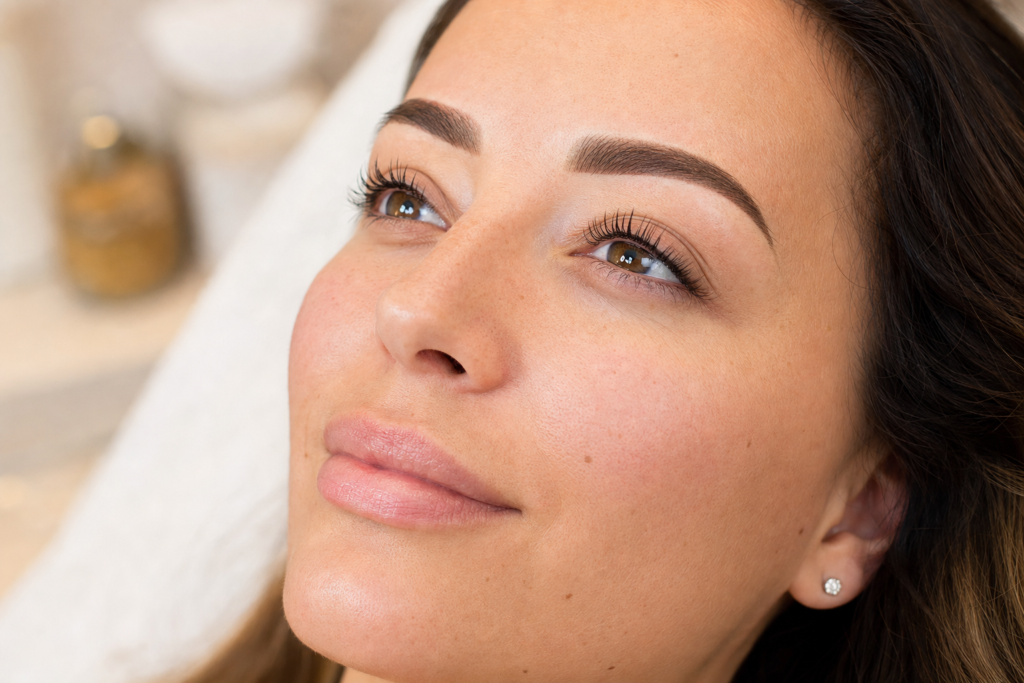
Nano brows use a digital machine with a single ultra-fine needle configured to mimic natural brow hairs. The machine creates controlled, consistent punctures that deposit pigment at a precise depth. This method offers greater control over placement, depth, and saturation.
The healing difference matters. Microblading creates shallow cuts that can sometimes blur or spread during healing, especially on oily or textured skin. Nano brows puncture the skin rather than cut it, which typically results in crisper healed strokes with less trauma to surrounding tissue.
At Arezoo Beaute on Rockland Road in Montreal, clients often switch to nano brows because they want sharper definition and longer retention. Arezoo, the first PhiBrows Master in Montreal and Phi Academy certified since 2016, maps each client’s facial structure using the golden ratio before selecting the appropriate technique based on skin type and desired longevity.
How Long Should You Wait After Microblading?
The minimum waiting period between microblading and nano brows is six to eight weeks. This allows your skin to complete the initial healing cycle. The surface heals within two weeks, but deeper layers continue regenerating for months.
However, six weeks is only the baseline. The ideal timing depends on several factors. If your microblading was done recently and still retains significant pigment, waiting longer allows for better color assessment. If pigment has faded substantially, proceeding sooner may be appropriate.
Scar tissue is the main concern. Repeated trauma to the same area can create fibrosis, which makes the skin less receptive to new pigment. If you have had multiple microblading sessions in the same brows, waiting six months to a year gives your skin proper recovery time before introducing a new technique.
Arezoo evaluates skin texture and pigment retention during a free consultation at Arezoo Beaute. She examines existing strokes under magnification to identify any scarring, checks how evenly previous pigment has settled, and determines if the skin is ready for nano brows or needs more healing time first.
Oily skin types often experience faster microblading fade, making them ideal candidates for nano brows. The machine method holds better in sebaceous skin and creates sharper strokes that resist blurring during healing.
Key Takeaways
- Wait at least six to eight weeks after microblading before nano brows.
- Nano brows use a digital machine for sharper, more precise hairstrokes.
- Old pigment must fade significantly before applying new nano strokes.
- Scar tissue from repeated microblading sessions affects pigment retention and timing.
- A consultation assesses skin readiness and determines the best approach.
What Happens If You Still Have Pigment From Microblading?
Residual microblading pigment creates challenges for nano brow artists. Dark or saturated old pigment can interfere with new color placement. If the previous work is still bold and defined, layering nano strokes on top may create an overly dense or muddy appearance.
The solution depends on how much pigment remains. Light, faded microblading that has turned ashy or grayish can sometimes be worked around. An experienced artist selects complementary pigment tones and places nano strokes strategically to refresh the overall look without clashing with existing color.
Heavy residual pigment requires removal or significant fading before proceeding. Laser removal is the fastest option but must be performed carefully to avoid damaging hair follicles. Saline removal is gentler but takes multiple sessions. Simply waiting for natural fading works if you have time and the old pigment is lightening evenly.
At Arezoo Beaute, the team offers laser tattoo removal in Montreal for clients who need to clear old PMU before starting fresh. Lelia, one of the microblading specialists on the team, often works with clients transitioning from previous work done elsewhere, customizing the approach based on each person’s unique pigment situation.
Ready to enhance your natural beauty?
Book your consultation today and let our expert team help you choose the perfect treatment for your goals.
Assessing Skin Condition Before Nano Brows
Healthy skin is essential for successful nano brows. If your microblading left scar tissue, raised lines, or uneven texture, these issues must be addressed first. Scar tissue does not hold pigment well and creates patchy healed results.
Skin assessment involves looking at surface texture, checking for raised areas along old strokes, and evaluating elasticity. Healthy skin should bounce back when gently pressed. Scarred or overworked skin feels stiff or fibrous.
Clients with thin or mature skin need extra care. Repeated PMU procedures on delicate skin increase the risk of damage. An experienced artist adjusts needle depth and hand pressure to protect fragile skin while still achieving crisp strokes.
During consultations at Arezoo Beaute, Arezoo examines brow skin under bright lighting and magnification. She asks about previous procedures, how many sessions were performed, and whether clients experienced excessive scabbing or slow healing. This information helps determine if skin is ready for nano brows or if a gentler approach like combo brows might be better suited to the current condition.
If your old microblading strokes healed blurry or spread significantly, nano brows are an excellent correction method. The precision of the digital machine creates definition that manual blades cannot replicate, especially on challenging skin types.
The Nano Brow Procedure After Previous Microblading
The nano brow process begins with detailed mapping. Even if you had mapping done for microblading, remapping ensures symmetry and proper placement for the new technique. The artist measures your facial features, marks key points, and sketches the shape for your approval.
Numbing cream is applied for 20 to 30 minutes. Once the area is comfortable, the artist begins creating hairstrokes using the nano machine. Each stroke is placed individually to mimic natural brow hair direction and density. The process is meticulous and takes 90 minutes to two hours depending on complexity.
If old microblading pigment is still visible, the artist works around it strategically. New strokes are placed in gaps or used to redefine shape while avoiding areas where old color might interfere. The goal is a cohesive look where new and fading old strokes blend naturally.
Arezoo applies the PHI golden ratio method during mapping at Arezoo Beaute, measuring bone structure and eye placement to create mathematically balanced brows. Her PHI certification ensures precision that goes beyond artistic intuition, resulting in brows that enhance your unique facial proportions rather than following generic trends.
Healing and Aftercare Following Nano Brows Over Old Microblading
Healing takes seven to fourteen days for the surface and up to six weeks for full pigment settling. The first three days show the darkest color. By day four or five, scabbing begins and brows look flaky or patchy. This is normal. The color underneath is lighter than the initial application.
Proper aftercare prevents complications. Keep brows dry for the first week. Avoid sweating, swimming, saunas, and direct water spray. Pat gently with a clean tissue if moisture accumulates. Apply the provided healing ointment sparingly twice daily.
Scarred skin from previous microblading may heal differently. Areas with scar tissue sometimes reject pigment or heal lighter. This is why a touch-up appointment six to eight weeks after the initial session is essential. The artist adds pigment to any areas that faded unevenly and adjusts color saturation as needed.
Clients at Arezoo Beaute receive detailed aftercare instructions and a follow-up text reminder three days post-procedure. The team emphasizes that proper healing leads to better retention and more beautiful long-term results. Armineh, who specializes in brow services, is available to answer questions throughout the healing period.
Long-Term Results and Maintenance
Nano brows typically last 18 months to three years depending on skin type, lifestyle, and sun exposure. Oily skin fades faster. Dry or normal skin retains pigment longer. Clients who use retinoids or exfoliating acids near their brows will see quicker fading.
Annual touch-ups keep brows looking fresh. Some clients prefer a lighter touch-up every 12 to 18 months. Others wait until fading is more noticeable. The beauty of nano brows is that they fade gracefully rather than turning strange colors or looking blocky as they lighten.
Switching from microblading to nano brows often means better long-term satisfaction. Clients report that nano brows hold their shape and color more predictably. The strokes stay defined rather than blurring into soft shadows. Maintenance is straightforward and results are consistent.
Arezoo Beaute has maintained a 4.9 Google rating over nine years by delivering consistent results and building long-term relationships with clients. Many return annually for touch-ups, knowing their brows will continue looking natural and polished. The sterile single-use tools and international PHI certifications ensure every procedure meets the highest safety and artistry standards in Montreal and beyond.
Frequently Asked Questions
Transitioning from microblading to nano brows gives you a second chance at beautiful, natural-looking brows with improved precision and longevity. The key is working with an experienced artist who understands skin healing, pigment behavior, and the technical differences between manual and machine methods. Proper timing and thorough assessment ensure your skin is ready and your expectations are realistic.
Arezoo Beaute combines international PHI certification, over nine years of permanent makeup expertise, and a reputation for meticulous artistry in Montreal. Whether you need old pigment removed, a strategic correction plan, or simply want to upgrade your brow technique, the team is ready to guide you. Book your free consultation at 2305 Rockland Rd, Unit 1590 or call (514) 814-8007 to discuss your brow goals and find out if nano brows are the right next step for you.