
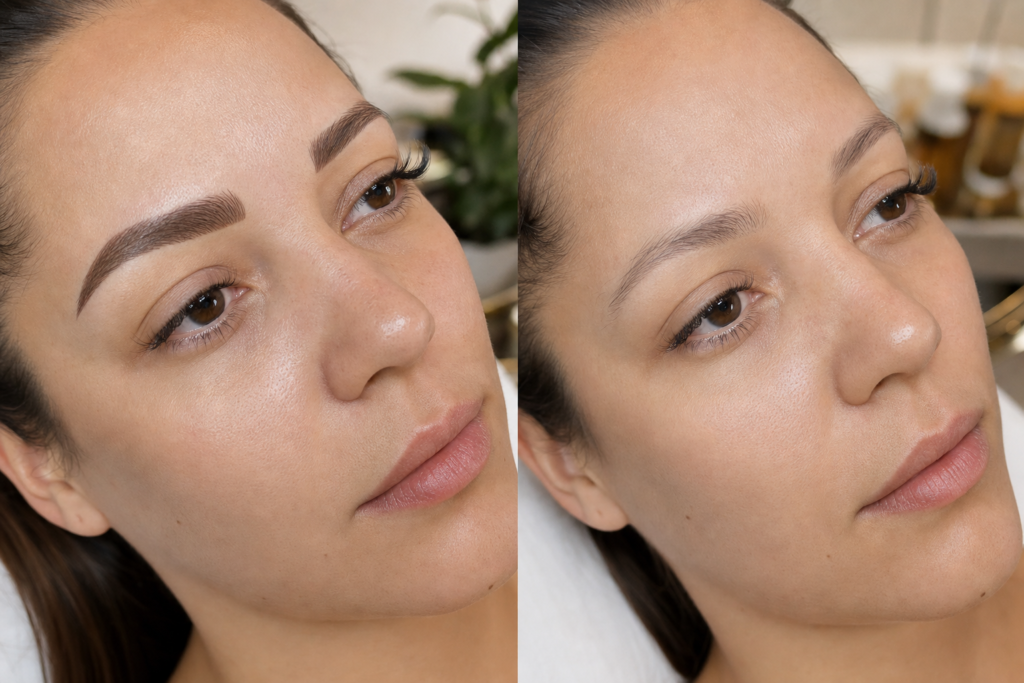
The truth many permanent makeup artists will not tell you up front: microblading is not truly permanent, but removing it is far more complex than getting it done. Every week, clients walk into studios like Arezoo Beaute hoping to reverse brows that turned the wrong color, faded unevenly, or simply no longer match their style. The good news? Yes, you can remove microblading. The reality? It requires patience, professional expertise, and realistic expectations about timelines and results.
If you are researching “can I remove microblading,” you are likely frustrated with your current brows. Maybe the pigment turned orange, the strokes blurred into a solid block, or the shape feels dated. Whether you want a complete removal or correction for a fresh start, understanding your options, the science behind pigment removal, and what truly works will save you time, money, and further disappointment.
This guide walks through the most effective microblading removal methods, what to expect during the process, how long removal takes, and how to choose the right professional in Montreal or elsewhere to safely reverse your semi-permanent brow work.
Why People Want to Remove Their Microblading
The reasons for microblading removal vary widely, but they all share one common thread: the results did not meet expectations. Some clients experience pigment that turns an unnatural shade as it fades, often orange, red, or even gray depending on skin chemistry and the original ink used. Others find that their brow shape looked trendy in 2018 but feels heavy or outdated in 2026.
Uneven fading is another major complaint. Microblading creates small incisions in the skin and deposits pigment into the dermal layer. Over time, certain areas may fade faster than others due to sun exposure, skin type, or aftercare practices. Oily skin, in particular, tends to push out pigment more quickly and blur crisp hairstrokes into a blotchy appearance.
Poor technique during the original procedure can also create the need for removal. Strokes placed too deep, pigment mixed incorrectly, or asymmetrical mapping can result in brows that look artificial or unflattering. When a client realizes their artist lacked proper training, the urgency to remove and start fresh becomes paramount.
At Arezoo Beaute, Lelia and Arezoo often consult with clients who received microblading elsewhere and need expert assessment before deciding between removal or corrective work. As the first PhiBrows Master in Montreal, Arezoo applies the PHI golden ratio method to evaluate facial structure and determine whether removal is truly necessary or if a skilled correction session could salvage the existing work.
Before committing to full removal, schedule a consultation to assess pigment depth and color. Many brows we see can be corrected with strategic color correction or layering, saving clients months of removal sessions.
Key Takeaways
- Laser removal targets dark pigments but may cause color shifts on reds.
- Saline removal works on all pigment colors but requires multiple sessions.
- Glycolic acid peels offer gentler removal for superficial pigment only.
- Full removal typically takes four to eight sessions spaced six weeks apart.
- Always consult a certified PMU professional before choosing a removal method.
Laser Removal: The Most Effective Option for Dark Pigment
Laser removal is the gold standard for eliminating dark microblading pigment. The technology works by emitting targeted light energy that breaks down pigment particles into smaller fragments. Your body’s lymphatic system then naturally flushes out these fragments over several weeks following each session.
Q-switched lasers and picosecond lasers are the two main types used for microblading removal. Q-switched lasers deliver high-intensity pulses in nanoseconds, making them effective for black, brown, and dark blue pigments. Picosecond lasers work even faster, delivering energy in trillionths of a second, which can result in fewer sessions and less damage to surrounding skin.
However, laser removal has limitations. Red, orange, and yellow pigments do not absorb laser light as effectively as darker colors. In some cases, the laser can actually darken these warm tones temporarily before breaking them down. This phenomenon, called oxidation, can be alarming if your artist did not warn you in advance.
Sessions are typically spaced six to eight weeks apart to allow the skin to heal and the body to process broken-down pigment. Most clients need between four and eight sessions for complete removal, depending on pigment density, depth, and skin type. Each session lasts only a few minutes, but the cumulative cost can add up quickly.
Montreal clients seeking laser tattoo removal in Montreal often ask if the same technology works for microblading. The answer is yes, but brow removal requires greater precision due to the delicate skin and proximity to the eyes. Always choose a clinic with experience in facial permanent makeup removal, not just body tattoos.
Saline Removal: A Gentler Alternative for Sensitive Skin
Saline removal, also called saline lightening or salt removal, uses a specially formulated saline solution to draw pigment out of the skin. The process involves tattooing the saline solution into the same area where the microblading pigment sits. The salt creates an osmotic effect, pulling the unwanted pigment to the surface as the skin heals.
This method works on all pigment colors, including reds, oranges, and yellows that resist laser treatment. It is also gentler on the skin than laser, making it a better choice for clients with darker skin tones, sensitive skin, or those who have experienced hyperpigmentation from previous treatments.
The downside? Saline removal is slower than laser. Each session lifts only a portion of the pigment, so clients typically need more sessions overall. Healing also takes longer because the process intentionally creates a controlled scab that must shed naturally. Picking or interfering with the scab will compromise results and may cause scarring.
At Arezoo Beaute, the team evaluates each client’s skin type, pigment color, and healing history before recommending saline removal. For clients with previous scarring or keloid tendencies, saline may not be the best option despite its gentler approach.
Ready to enhance your natural beauty?
Book your consultation today and let our expert team help you choose the perfect treatment for your goals.
Glycolic Acid and Chemical Peels for Surface Pigment
Chemical peels that contain glycolic acid or trichloroacetic acid (TCA) can help fade superficial microblading pigment. These peels work by accelerating skin cell turnover and exfoliating the outermost layers of skin where lighter pigment sits. Over time, repeated peels can diminish the appearance of faded or patchy microblading.
However, glycolic removal is only effective for pigment that was not implanted deeply. If your microblading artist worked too shallow, your strokes may have faded quickly, but they are also easier to remove with chemical exfoliation. Conversely, pigment placed deep in the dermis will not respond well to surface treatments.
This method is not recommended as a standalone solution for most clients. It works best as a finishing step after laser or saline removal has already lifted the majority of the pigment. Some estheticians offer glycolic treatments as part of a multi-step removal plan.
Keep in mind that chemical peels carry risks, especially on the delicate brow area. Overuse can lead to thinning skin, irritation, or uneven texture. Always seek treatment from a licensed professional who understands both skin physiology and permanent makeup removal.
If your microblading has already faded significantly but left a shadow or discoloration, combining light saline removal with skilled color correction often gives faster and more natural results than pursuing complete removal.
What to Expect During the Removal Process
The removal process begins with a thorough consultation. A certified professional will examine your brows under proper lighting, assess pigment color and depth, and discuss your goals. Some clients want complete removal to go back to natural brows, while others want partial lightening before a corrective procedure.
During the actual treatment, the area is numbed with a topical anesthetic. Laser sessions feel like small snaps against the skin, similar to a rubber band. Saline removal feels more like traditional tattooing because the solution is implanted using a tattoo machine or manual tool. Both procedures take 15 to 30 minutes depending on the brow size and density of pigment.
Immediately after treatment, the brows will appear red and slightly swollen. With laser, you may notice the pigment darkening initially before it begins to fade. With saline, a scab will form within 24 to 48 hours. This scab must shed on its own, which takes about one to two weeks.
Aftercare is critical. You must keep the area clean, avoid moisture for the first few days, and apply recommended ointments to support healing. No makeup, swimming, sweating, or sun exposure during the healing phase. Skipping aftercare instructions can lead to infection, scarring, or uneven pigment removal.
Results become visible once the skin fully heals, typically four to six weeks after each session. At that point, you will return for your next treatment if additional removal is needed. Patience is essential. Rushing the process by scheduling sessions too close together can damage the skin and compromise final results.
How Long Does Microblading Removal Take?
The timeline for complete microblading removal depends on several factors: pigment type, depth, your skin’s healing response, and the removal method chosen. On average, clients need four to eight sessions spaced six to eight weeks apart. That means the entire process can take anywhere from six months to over a year.
Laser removal tends to be faster for dark pigments, especially when using advanced picosecond technology. Some clients see significant fading after just two or three sessions. However, if your pigment contains warm tones or was implanted very deep, you may need more sessions than average.
Saline removal typically requires more sessions but offers better control and less risk of hyperpigmentation. Clients with deeper skin tones or those concerned about scarring often prefer the slower, gentler approach despite the extended timeline.
Factors that slow down removal include poor aftercare, picking at scabs, sun exposure, and underlying skin conditions. Smoking and certain medications can also impair healing and delay results. Being honest with your removal specialist about your lifestyle and health history will help set realistic expectations.
Arezoo, who has been certified by Phi Academy since 2016, emphasizes the importance of spacing sessions properly. At Arezoo Beaute, clients receive detailed timelines during their initial consultation, with progress photos taken at each visit to track fading and adjust the treatment plan as needed.
Can You Get Microblading Again After Removal?
Yes, you can get microblading or other brow PMU services after complete removal, but timing matters. Your skin needs adequate time to heal and regenerate before undergoing another tattooing procedure. Most professionals recommend waiting at least three months after your final removal session before booking new brow work.
During this waiting period, the skin rebuilds collagen and restores its natural barrier function. Rushing into a new procedure too soon increases the risk of poor pigment retention, uneven healing, or scar tissue formation. Patience during this phase pays off in better, longer-lasting results.
If you are considering corrective work instead of full removal, the timeline may be shorter. Some clients can have color correction or a cover-up session after partial lightening, skipping the need for complete removal. This approach works best when the original pigment has faded significantly but still provides a base for strategic layering.
At Arezoo Beaute, clients who complete removal and return for fresh brows benefit from the team’s PHI-certified training. Whether they choose microblading in Montreal, ombre brows in Montreal, or combo brows, Arezoo maps each client’s unique facial structure using the golden ratio method before touching any tool. This precision ensures the new brows enhance natural features rather than repeating past mistakes.
Choosing the Right Professional for Microblading Removal
Not all beauty professionals are qualified to perform microblading removal. Laser removal should only be done by licensed technicians trained in laser safety and experienced with facial tattoo removal. Saline removal requires a certified permanent makeup artist who understands skin anatomy, pigment behavior, and proper sterile technique.
Red flags include providers who promise complete removal in one or two sessions, those who do not conduct a thorough consultation, or anyone who dismisses your concerns about skin type or previous scarring. Legitimate professionals will take before photos, explain risks, and set realistic expectations based on your unique situation.
Ask about the type of equipment used, the number of similar cases they have treated, and whether they offer a consultation before starting treatment. A reputable provider will also discuss alternative options, such as correction or cover-up, if those paths may serve you better.
In Montreal, Arezoo Beaute offers free consultations for clients considering removal or correction. The team reviews your brow history, assesses pigment depth and color, and creates a customized plan. With over nine years of experience and international PHI certifications, the salon’s approach combines technical skill with an understanding of what clients truly want: natural, beautiful brows that last.
Frequently Asked Questions
Removing microblading is absolutely possible, but it requires professional expertise, realistic timelines, and a commitment to proper aftercare. Whether you choose laser, saline, or a combination approach, the key is working with a certified specialist who understands pigment behavior, skin healing, and your specific goals. Arezoo, as the first PhiBrows Master in Montreal, has guided countless clients through both removal and corrective work at Arezoo Beaute, delivering results that restore confidence and natural beauty.
If you are ready to explore your options, book a free consultation at Arezoo Beaute in Montreal. The team will assess your brows, discuss the best removal or correction strategy, and create a personalized plan to help you achieve the brows you truly deserve.