
Most people expect laser hair removal to deliver permanent results after a few sessions, but the truth is more nuanced than marketing brochures suggest. While laser technology targets hair follicles with precision, understanding how long laser hair removal lasts requires looking beyond the treatment room and into the biology of your hair growth cycle, hormonal patterns, and individual maintenance habits.
The longevity of your results depends on far more than just the laser itself. Your skin tone, hair color, hormonal health, treatment area, and the expertise of your technician all play critical roles in determining whether you enjoy years of smooth skin or find yourself booking touch-up sessions sooner than expected.
This guide breaks down exactly what happens after your final session, why some people enjoy decades of hair-free skin while others need periodic maintenance, and how to maximize the investment you make in laser treatments. Whether you’re considering your first session or wondering why your results differ from a friend’s experience, you’ll find the detailed answers you need here.
The Science Behind Laser Hair Removal Longevity
Laser hair removal works by directing concentrated light energy into hair follicles, where the pigment absorbs the heat and damages the follicle’s ability to produce new hair. This process, called selective photothermolysis, targets only the hair in its active growth phase, which is why multiple sessions spread over months are necessary to catch all follicles during their growth cycle.
The term “permanent hair reduction” appears more accurate than “permanent hair removal” in most clinical studies. The Food and Drug Administration recognizes laser treatments as providing long-term reduction rather than complete elimination, though many people do experience near-total hair loss in treated areas after completing their full course of sessions.
Hair follicles exist in one of three phases at any given time: anagen (active growth), catagen (transition), and telogen (resting). Only follicles in the anagen phase contain enough pigment to effectively absorb laser energy. Since only 20-30% of your hair exists in this phase at once, treating the same area multiple times over several months ensures you catch follicles as they cycle into their growth phase.
At Arezoo Beaute, clients receive detailed consultations before beginning treatment, where the team evaluates skin tone, hair characteristics, and treatment goals to create realistic timelines. Located at 2305 Rockland Rd, Unit 1590 in Montreal, the salon uses advanced laser technology calibrated for different skin types and hair colors, maximizing both safety and effectiveness.
How Long Results Actually Last for Most People
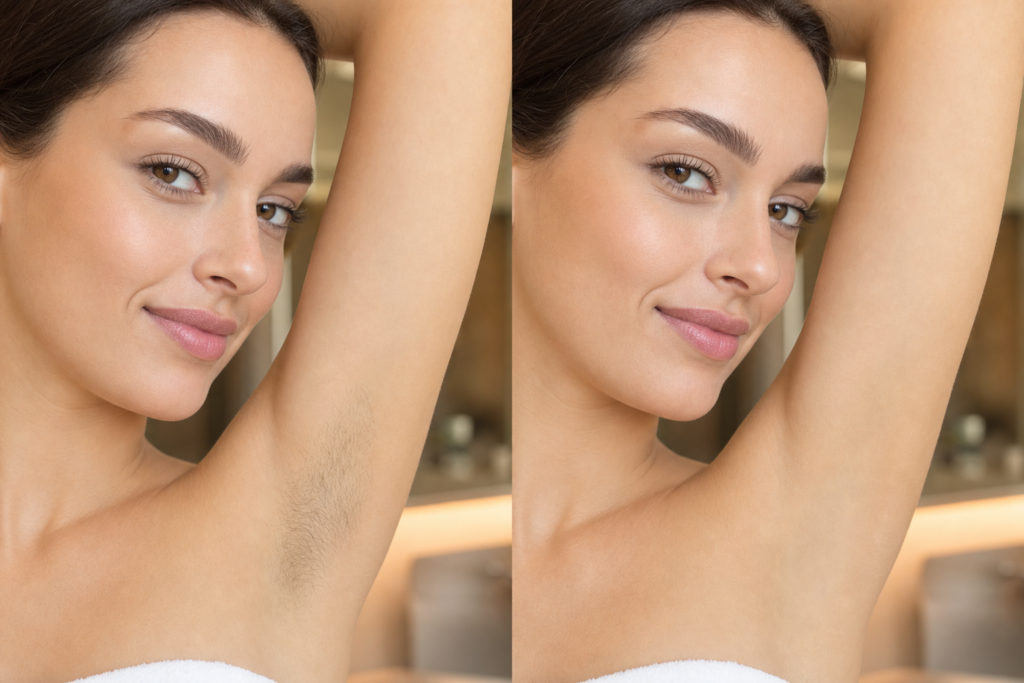
The majority of clients who complete a full series of laser sessions experience significant hair reduction that lasts between two to five years before noticing any meaningful regrowth. Some people enjoy results that last a decade or longer, while others may see fine regrowth within 12-18 months depending on hormonal factors and the treated area.
Facial hair typically requires more maintenance than body hair due to hormonal sensitivity. Areas like the chin and upper lip may need annual touch-ups even after successful initial treatment, especially for women with polycystic ovary syndrome or other hormonal imbalances that stimulate hair growth.
Larger body areas like legs, arms, and back tend to show more lasting results because body hair responds differently to hormonal fluctuations than facial hair does. Many clients report going years without any treatment after their initial series, with only occasional fine hairs appearing that are barely noticeable compared to their original growth.
The bikini area falls somewhere in the middle, with most people experiencing three to six years of smooth results before considering maintenance sessions. Hormonal changes from pregnancy, menopause, or medication adjustments can trigger new growth cycles that weren’t active during your original treatment sessions.
Why Results Vary From Person to Person
Genetics play the most significant role in determining how your hair responds to laser treatment. If your hair is dark and coarse while your skin is lighter, you’re the ideal candidate because the contrast allows the laser to target pigment more effectively. Blonde, red, gray, or very fine hair contains less melanin and proves more challenging to treat successfully.
Hormonal health creates the second major variable in treatment longevity. Thyroid disorders, PCOS, insulin resistance, and medications like corticosteroids or hormonal birth control can all influence hair growth patterns. Even stress-related hormonal shifts can activate dormant follicles months or years after successful treatment.
Your age at the time of treatment matters more than many people realize. Younger clients may need additional sessions as they age because hormonal changes through their 20s and 30s can activate hair follicles that were dormant during initial treatment. Clients who begin treatment in their 30s or 40s often see more stable, long-lasting results.
Treatment quality makes an enormous difference in outcome duration. Arezoo and her experienced team at Arezoo Beaute customize laser settings for each client’s unique combination of skin tone and hair type, ensuring optimal energy delivery without compromising safety. This precision, backed by nine years of experience and a 4.9 Google rating, directly impacts how thoroughly follicles are disabled during each session.
AREZOO BEAUTÉ
Ready to enhance your natural beauty?
Book your consultation today and let our expert team help you choose the perfect treatment for your goals.
What Happens After Your Final Session
Most treated hair falls out within two to three weeks following each laser session, leaving skin smooth for several weeks or months. After completing your full series, which typically includes six to eight sessions spaced four to eight weeks apart, you’ll notice the regrowth cycle dramatically slows or stops entirely in most areas.
The first year after finishing treatment offers the clearest picture of your long-term results. Some fine regrowth during this period is normal as previously dormant follicles cycle into their growth phase, which is why many clinics recommend a touch-up session six to twelve months after your final scheduled treatment.
Any hair that does grow back tends to be finer, lighter, and sparser than your original growth. These stray hairs respond well to maintenance sessions, which typically require far less time and fewer treatments than your initial series. Many clients schedule annual or bi-annual single sessions to address any new growth.
Skin texture often improves in treated areas beyond just hair removal. The laser’s heat can stimulate collagen production, which some clients notice as smoother, more even-toned skin. This benefit persists even if you eventually need maintenance treatments for new hair growth.
Maintenance Sessions and Long-Term Care
Even with excellent initial results, most people benefit from periodic maintenance to address hormonal changes, aging, or follicles that weren’t successfully treated during the original series. These sessions typically occur annually or every few years rather than on the frequent schedule required during initial treatment.
Maintenance sessions work much faster than initial treatments because you’re addressing isolated new growth rather than dense hair coverage. A single session often suffices to reset your results for another year or more, making long-term maintenance both time-efficient and cost-effective compared to ongoing waxing or shaving.
The Quebec climate presents unique considerations for laser maintenance timing. Many Montreal residents schedule sessions during fall and winter months when sun exposure is minimal, as tanned or sun-damaged skin increases the risk of side effects and reduces treatment effectiveness.
At Arezoo Beaute, clients who return for maintenance receive the same thorough consultation and customized treatment approach as new clients, ensuring the laser settings remain appropriate as your skin and hair characteristics evolve over time. The salon’s commitment to sterile single-use tools and proper technique applies to every visit, whether it’s your first session or your fifteenth.
Comparing Treatment Areas and Their Durability
Different body areas respond to laser treatment with varying degrees of permanence. Understanding these differences helps set realistic expectations and plan for potential maintenance needs based on which areas you’re treating.
| Treatment Area | Typical Longevity | Maintenance Frequency |
|---|---|---|
| Face (chin, upper lip) | 1-3 years | Annual or bi-annual |
| Underarms | 3-5 years | Every 2-3 years |
| Bikini/Brazilian | 3-6 years | Every 2-4 years |
| Legs (full or half) | 5-10 years | Every 3-5 years |
| Arms | 4-8 years | Every 3-5 years |
| Back/Chest | 5-10+ years | Every 4-6 years |
Facial hair proves most stubborn due to its sensitivity to androgen hormones, which fluctuate throughout your life in response to stress, aging, medications, and health conditions. Even small hormonal shifts can trigger new growth that wasn’t present during your original treatment series.
Body areas with thicker, coarser hair often show the most dramatic and lasting results because these follicles contain more pigment and respond more completely to laser energy. The full body treatment packages at Arezoo Beaute address multiple areas in coordinated sessions, optimizing both timing and results across different body zones.
Factors That Can Shorten Your Results
Skipping sessions during your initial treatment series represents the most common mistake that compromises long-term results. Each session needs to occur at the optimal interval when new hair cycles into its growth phase, and missing appointments allows follicles to escape treatment entirely.
Sun exposure before or immediately after treatment not only increases the risk of burns and hyperpigmentation but can also reduce treatment effectiveness. Tanned skin contains more melanin, which competes with hair follicles for laser energy absorption and forces technicians to use lower, less effective settings.
Hormonal medications introduced after completing laser treatment can reactivate dormant follicles or stimulate new growth patterns. Testosterone therapy, certain antidepressants, steroids, and some birth control methods all have the potential to impact your results years after your final session.
Pregnancy often triggers temporary hair growth changes due to dramatic hormonal shifts, which is why most clinics recommend waiting until after pregnancy and breastfeeding to begin or resume laser treatments. Many women who achieved excellent results before pregnancy find they need a few maintenance sessions afterward to address hormonally triggered regrowth.
Maximizing the Longevity of Your Investment
Choosing an experienced provider with properly maintained equipment makes the single biggest difference in result durability. Outdated lasers, improperly calibrated machines, or technicians without comprehensive training often deliver superficial results that require more frequent maintenance or fail to achieve meaningful reduction.
Following pre-treatment and post-treatment instructions precisely ensures your skin and hair are in optimal condition for each session. This means avoiding sun exposure, stopping certain skincare products, shaving (never waxing) before appointments, and protecting treated skin from heat and friction afterward.
Scheduling your complete initial series without long gaps between sessions allows you to catch follicles in their growth cycles more effectively. While life circumstances sometimes require flexibility, maintaining consistent timing between treatments produces more complete follicle destruction and longer-lasting smoothness.
Being honest during consultations about your health history, medications, and hormonal status helps your technician anticipate potential challenges and adjust treatment plans accordingly. At Arezoo Beaute, the free consultation process includes detailed health screening to identify factors that might affect your treatment timeline or results, ensuring you begin with realistic expectations and an optimized plan.
When to Consider Touch-Up Treatments
New hair growth one to two years after completing your initial series doesn’t mean the treatment failed. This timeline often represents normal hormonal cycling or previously dormant follicles becoming active, both of which respond well to maintenance sessions.
Fine, light regrowth that’s barely visible rarely requires immediate treatment unless it bothers you aesthetically. Many people choose to monitor this type of growth for several months to see if it remains minimal or progresses before scheduling a touch-up.
Sudden increases in hair growth or changes in hair texture warrant a consultation with both your laser provider and your doctor, as these changes can signal hormonal imbalances or health conditions that should be evaluated medically before resuming laser treatments.
Seasonal touch-ups work well for people who want to maintain completely smooth skin year-round, particularly before summer when more skin is visible. A single maintenance session in spring often keeps results pristine through beach season and beyond.
Frequently Asked Questions
Is laser hair removal actually permanent?
Laser hair removal provides permanent reduction rather than complete permanent removal for most people. This means treated follicles are destroyed and won’t regrow, but hormonal changes or previously dormant follicles can produce new growth over time. Most clients enjoy several years of smooth skin before considering any maintenance, with many areas showing lasting results for a decade or more.
How many years does laser hair removal typically last?
Results typically last between two to ten years depending on the treated area, your hormonal health, hair characteristics, and treatment quality. Facial areas generally require more frequent maintenance (every 1-3 years), while body areas often remain smooth for five years or longer. Individual experiences vary significantly based on genetics and lifestyle factors.
Why is my hair growing back after laser treatment?
Hair regrowth after laser treatment usually occurs for one of several reasons: not all follicles were in their growth phase during your sessions, hormonal changes activated dormant follicles, you didn’t complete the full recommended series, or the original treatment settings weren’t optimal for your hair and skin type. Regrowth typically appears finer and sparser than original hair and responds well to touch-up sessions.
Do you need maintenance sessions forever?
Not necessarily. Many people go years without any maintenance, and some never need additional treatments after their initial series. Others prefer periodic touch-ups every few years to address minor regrowth, particularly in hormonally sensitive areas like the face. The need for ongoing maintenance varies greatly between individuals and treatment areas.
How can I make my laser hair removal last longer?
Maximize longevity by completing your full initial treatment series at proper intervals, choosing an experienced provider with quality equipment, following all pre- and post-treatment care instructions, avoiding sun exposure on treated areas, and addressing any hormonal imbalances with your doctor. Annual or bi-annual maintenance sessions can also extend your results indefinitely by catching any new growth early.
Understanding how long laser hair removal lasts means recognizing that individual biology matters as much as treatment technique. While results vary, the combination of advanced technology, experienced application, and proper maintenance creates outcomes that transform daily routines for years. Arezoo’s PHI certification and dedication to customized treatment approaches have made Arezoo Beaute a trusted destination for laser services throughout Montreal, with clients appreciating both the immediate smoothness and the lasting freedom from constant hair removal.
Whether you’re ready to begin your laser journey or curious about optimizing results from previous treatments, the team at Arezoo Beaute offers free consultations that provide detailed assessments of your unique needs and realistic timelines for your goals. Call (514) 814-8007 or book online to discover how laser hair removal can fit into your long-term beauty routine.