
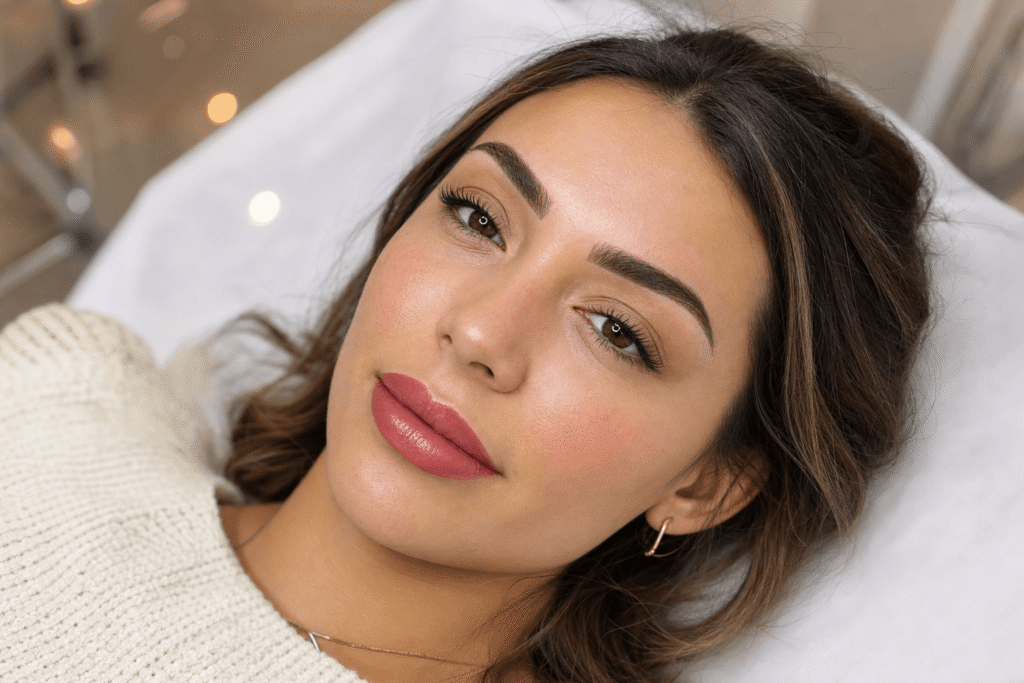
Lip blushing is a semi-permanent cosmetic tattooing technique that enhances your natural lip color, defines your lip line, and creates the appearance of fuller, more symmetrical lips without adding volume. Unlike traditional lip tattoos that use harsh, unnatural pigments, modern lip blushing uses soft, custom-blended colors that mimic your natural lip tone while correcting unevenness and adding dimension.
This comprehensive guide covers everything you need to know about the lip blushing procedure, from the consultation and application process to healing, longevity, and cost. Whether you’re considering lip blushing as an alternative to daily lipstick or wondering how it compares to lip filler, you’ll find expert insights grounded in professional permanent makeup practice.
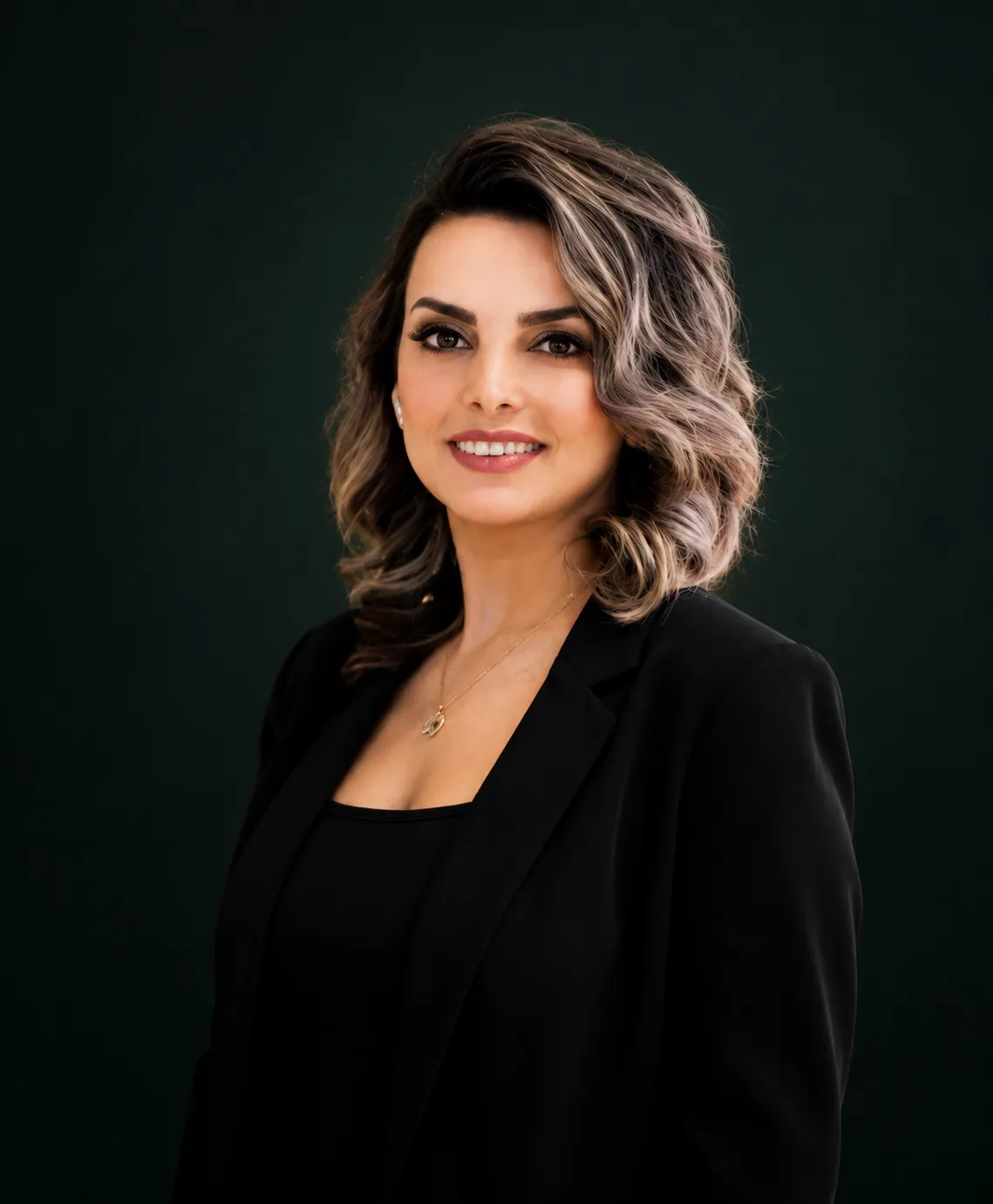
At Arezoo Beaute in Montreal, Arezoo has performed hundreds of lip blushing procedures since becoming PHI certified in 2016. Her approach combines precise color theory with an understanding of how different skin tones hold pigment over time, ensuring results that look natural and age gracefully.
Quick Answer
Lip blushing is a semi-permanent lip tattoo that deposits natural-looking pigment into the lips to enhance color, correct asymmetry, and define borders. Results last 2-4 years and fade gradually, requiring touch-ups to maintain vibrancy.
What Is Lip Blushing? Definition and Overview
Lip blushing is a form of permanent makeup that uses a specialized tattooing technique to deposit pigment into the upper layers of your lip tissue. The procedure creates a soft, watercolor-like tint that enhances your natural lip color rather than completely changing it.
Unlike older lip tattoo methods that used solid, opaque pigments and created harsh, unnatural results, modern lip blushing employs advanced color theory and layering techniques. The artist builds color gradually, creating dimension and depth that mirrors natural lip pigmentation.
The term “blushing” refers to the soft, flushed appearance the treatment creates. Think of it as a permanent lip stain rather than a bold lipstick, it enhances what you already have without looking obviously tattooed.
Most clients choose lip blushing to address one or more of these concerns: pale or uneven natural lip color, lack of definition between lips and surrounding skin, asymmetry in lip shape or border, loss of color due to aging or scarring, or simply the desire to wake up with naturally enhanced lips.
The pigments used in professional lip blushing are specifically formulated for facial tissue. They’re iron oxide-based rather than carbon-based, which means they fade naturally over time rather than turning blue or gray like older tattoo inks.
Key Takeaways
- Expect semi-permanent results lasting 2-4 years before needing touch-ups
- Choose lip blushing for color enhancement, not volume or shape change
- Plan for 7-10 days of visible healing with scabbing and peeling
- Verify your artist holds PHI certification or equivalent PMU credentials
- Budget $600-$900 in Montreal including initial session and touch-up
How the Lip Blushing Procedure Works: What to Expect
The lip blushing process typically takes 2-3 hours from consultation to completion. This includes time for numbing, color selection, lip mapping, and the actual pigment application.
Your first visit begins with a thorough consultation where your artist examines your natural lip color, skin tone, and undertones. This assessment determines which pigment blend will create the most natural-looking result that complements your complexion.
The artist then maps your lips, marking the border to ensure symmetry and define the desired shape. This step is crucial because even small corrections to the lip line can significantly improve overall facial balance.
Step-by-Step: Your Lip Blushing Appointment
Before any pigment touches your lips, a topical numbing cream is applied and left on for 15-20 minutes. The actual tattooing process involves using a handheld device similar to those used in microblading for eyebrows. The device holds a fine needle cartridge that deposits pigment into the lip tissue at a shallow depth.
Your artist works in passes, building color gradually rather than trying to achieve full saturation in one go. Throughout the procedure, additional numbing gel is applied to maintain your comfort. Most clients describe the sensation as similar to having your lips rubbed vigorously, slightly uncomfortable but manageable.
The final step involves applying a healing balm and providing detailed aftercare instructions. Your lips will appear significantly darker and more saturated immediately after the procedure, this is normal and the color will soften considerably as you heal. A touch-up appointment is scheduled 6-8 weeks after your initial session to perfect the color and address any areas where pigment didn’t take evenly.
Lip Blushing vs Lip Filler: Key Differences
Lip blushing and lip filler serve completely different purposes, one enhances color and definition, the other adds volume. Understanding this distinction is essential for choosing the right treatment for your goals.
Lip filler is an injectable dermal filler, typically hyaluronic acid-based, that physically plumps the lips by adding volume beneath the tissue. It can change lip shape, create a fuller pout, and smooth vertical lip lines. Results are immediate and last 6-12 months before the filler dissolves.
Lip blushing, by contrast, is a semi-permanent lip tattoo that changes color and definition without adding any volume. It cannot make thin lips fuller or change the three-dimensional shape of your mouth. What it can do is make your natural lips look more vibrant, defined, and symmetrical.
Many clients ultimately choose both treatments for comprehensive lip enhancement. However, timing matters, you should complete any filler treatments at least 4 weeks before lip blushing. If you’re considering both procedures, timing lip blush after filler injections requires careful planning to ensure proper healing and optimal pigment retention.
| Feature | Lip Blushing | Lip Filler |
|---|---|---|
| Primary Purpose | Color and definition | Volume and shape |
| Method | Cosmetic tattooing | Injectable hyaluronic acid |
| Longevity | 2-4 years | 6-12 months |
| Healing Time | 7-10 days visible healing | 2-3 days swelling |
| Adds Volume | No | Yes |
AREZOO BEAUTE
Ready to enhance your natural beauty?
Book your consultation today and let our expert team help you choose the perfect treatment for your goals.
Does Lip Blushing Hurt? Pain Levels and Numbing Options
Pain tolerance varies significantly from person to person, but most clients describe lip blushing as moderately uncomfortable rather than truly painful. The sensation is often compared to a cat repeatedly licking your lips or a persistent tingling and buzzing.
Your lips are more sensitive than other areas where permanent makeup is applied because they contain more nerve endings and thinner skin. However, modern numbing techniques make the procedure quite manageable for most people.
A topical anesthetic cream containing lidocaine is applied before the procedure begins and left on for 15-20 minutes. This initial numbing significantly reduces sensation during the first pass of pigment application. As the procedure continues, additional numbing gel is applied directly to the treated area.
Most clients rate the discomfort between 3-5 on a 10-point scale during the procedure. The first few minutes tend to be the most uncomfortable as you adjust to the sensation, but it typically becomes more tolerable as the numbing takes full effect.
Certain factors can increase sensitivity. Arriving at your appointment while menstruating, sleep-deprived, or after consuming caffeine or alcohol can make you more reactive to discomfort. Avoiding these situations helps keep pain levels minimal.
Expert Tip from Arezoo Beaute
Clients who stay well-hydrated in the week leading up to their appointment tend to experience less discomfort and better pigment retention. Arezoo recommends drinking at least 8 glasses of water daily and using a quality lip balm to ensure your lips are in optimal condition before the procedure begins.
Lip Blushing Healing Process: Complete Day-by-Day Timeline
Understanding the healing timeline helps you plan your appointment around important events and manage your expectations during the recovery period. Lip blushing healing is more visible than other permanent makeup procedures because your lips are constantly exposed.
The complete healing process takes 4-6 weeks, though the most dramatic changes occur in the first 10 days. During this time, your lips will go through several distinct phases that are all completely normal parts of the pigment-settling process.
Your lips will look their most vibrant immediately after the procedure. This initial color intensity is not your final result, it will soften significantly as you heal. Many first-time clients worry they look “too done” at this stage, but the dramatic appearance is temporary.
Week 1: Swelling, Scabbing, and Initial Healing
Days 1-2: Your lips will appear significantly darker and more saturated than your final result. Expect moderate swelling and tightness, making your lips feel larger and less flexible. They may feel hot and tender to the touch. Apply healing ointment every 2-3 hours to prevent dryness.
Days 3-4: Swelling begins to subside, but your lips may feel dry and start to develop a thin layer of protective scabbing. This crust will appear as dry, flaky patches. Do not pick at these, let them fall off naturally. Color appears even more intense as the scabs form.
Days 5-7: The scabs begin to flake and peel away, revealing lighter color beneath. This stage can be itchy, resist the urge to pick or pull at peeling skin. Your lip color may look patchy and uneven during this phase, this is temporary. Continue applying healing ointment as directed.
Days 8-10: Most visible peeling is complete. Your lips may still feel slightly dry, but the texture is returning to normal. The color now appears much lighter than your target shade, often looking almost invisible. This “ghosting” phase worries many clients, but it’s a normal part of the process.
Weeks 2-6: Color Changes and Final Results
Weeks 2-3: The pigment begins to resurface as the top layers of skin continue to regenerate. Your color will gradually bloom back, appearing more natural and closer to your final result. Some areas may look lighter than others, these inconsistencies are addressed at your touch-up.
Weeks 4-6: Your lips reach their initial settled state. The color is now soft, natural, and evenly distributed. This is when you’ll see approximately 70-80% of your final result. The remaining refinement happens at your touch-up appointment scheduled around week 6-8.
Throughout the healing process, avoid activities that expose your lips to excess moisture, heat, or friction. This means no swimming, saunas, intense workouts, or kissing for the first 10 days. You’ll also need to modify your eating habits temporarily, use a straw for hot beverages, eat smaller bites to minimize stretching, and avoid spicy or acidic foods that can irritate healing tissue.
| Healing Stage | Timeline | What to Expect |
|---|---|---|
| Immediate | Day 1-2 | Maximum color intensity, swelling, tenderness |
| Scabbing | Day 3-7 | Dry flaking, peeling, extreme color darkness |
| Ghosting | Day 8-14 | Color appears very faint or almost gone |
| Color Return | Week 3-4 | Pigment resurfaces, 70% of final result visible |
| Settled | Week 6-8 | True healed color, ready for touch-up assessment |
Choosing Your Lip Blushing Color for Your Skin Tone
Color selection is one of the most critical aspects of achieving natural-looking lip blushing results. The goal is to enhance your natural coloring, not fight against it or create an artificial shade that clashes with your complexion.
Professional color selection begins with analyzing three factors: your natural lip color, your skin’s undertone (warm, cool, or neutral), and your overall complexion depth (light, medium, or deep). These elements work together to determine which pigment blend will look most harmonious on you.
Your natural lip color provides the foundation. Even pale lips have underlying pink, mauve, or peachy tones. A skilled artist identifies these subtle hues and uses them as a starting point, choosing pigments that amplify your natural coloring rather than covering it completely.
Undertone is equally important. Cool undertones (pink, red, or blue beneath the skin) harmonize with berry, rose, and cool pink lip pigments. Warm undertones (yellow, peachy, or golden) look most natural with coral, peachy-pink, and warm nude shades. Neutral undertones can wear either warm or cool tones successfully.
Color Selection for Different Skin Tones
Light Skin Tones: Softer, more subtle pigments work best, providing gentle enhancement without overwhelming delicate coloring. Rose, soft pink, and nude-pink shades create natural definition.
Medium Skin Tones: Can handle slightly more saturated colors. Mauve, berry, peachy-coral, and warm rose tones provide beautiful enhancement that shows up well without looking artificial.
Deep Skin Tones: Require richer, more vibrant pigments to create visible definition. Warm-toned pigments in berry, plum, cinnamon, and rich coral prevent ashy results. Many artists lack experience with deeper complexions, so choose someone with a diverse portfolio showing healed results on clients with similar skin tones.
Melanin-rich skin holds pigment differently than lighter skin. The increased melanin content can cause certain pigments to appear cooler or less vibrant once healed. Experienced artists compensate by using warmer base tones and slightly more saturated pigments that won’t look washed out against deeper complexions.
Gray or hyperpigmented lips, common in smokers or those with certain skin conditions, need color correction before applying the final shade. This involves using complementary colors to neutralize unwanted tones first, similar to how color-correcting makeup works.
During your consultation at Arezoo Beaute, Arezoo creates a custom pigment blend by mixing multiple base colors to match your unique coloring. She often applies a small test spot, allowing you to see exactly how the pigment will appear once healed before committing to the full procedure.
Avoid going too light or too bold on your first procedure. You can always add more color or intensity at your touch-up, but removing too-dark pigment requires laser treatment or waiting for it to fade naturally. A slightly more subtle result is always safer than an overly dramatic one.
Expert Tip from Arezoo Beaute
During consultations, Arezoo often sees clients concerned about looking “overdone.” She addresses this by creating a custom color swatch on the inner wrist, showing exactly how the pigment will appear once healed. This preview eliminates guesswork and ensures you’re confident in your color choice before committing to the procedure.
Safety, Risks, and Who Should NOT Get Lip Blushing
When performed by a properly trained and certified artist using appropriate sterile techniques, lip blushing is generally safe. However, like any cosmetic procedure involving needles and pigment, there are risks and contraindications you need to understand before booking.
Choosing a qualified artist is your most important safety decision. Look for someone with specific training in permanent makeup, not just general tattoo experience. PHI certification, like what Arezoo holds, indicates completion of rigorous training in color theory, facial anatomy, sanitation protocols, and proper pigment application techniques.
Your artist should use single-use, disposable needle cartridges that are opened in front of you. All equipment that contacts your skin should be either disposable or properly sterilized in a medical-grade autoclave. The workspace should be clean and organized, with pigments stored properly and all surfaces sanitized between clients.
Potential Side Effects and Risks
The most common side effects are minor and temporary. These include swelling for 2-3 days, tenderness and sensitivity during healing, dryness and flaking for the first week, and mild bruising in some cases.
More serious complications are rare when proper protocols are followed, but they can include infection if aftercare instructions aren’t followed, allergic reaction to pigment ingredients (very rare with modern formulations), scarring or keloid formation in susceptible individuals, and unwanted color results requiring correction or removal.
Cold sores present a specific risk for lip procedures. If you have a history of oral herpes, the trauma of the procedure can trigger an outbreak. Most artists require clients with this history to take prophylactic antiviral medication starting 2-3 days before the appointment and continuing through initial healing.
Medical Contraindications and Who Should Avoid Lip Blushing
Pregnancy and Breastfeeding: You should not get lip blushing if you are currently pregnant or breastfeeding. While there’s no evidence the pigments harm a developing baby, it’s standard practice to postpone all cosmetic tattooing until after pregnancy and nursing are complete.
Active Skin Conditions: Active infections or conditions around the mouth, such as cold sores, angular cheilitis, dermatitis, or active acne, require postponing your appointment until fully healed. Performing the procedure on compromised skin increases infection risk and leads to poor pigment retention.
Medications: Certain medications make permanent makeup inadvisable. Blood thinners increase bruising and bleeding during the procedure. Accutane and other isotretinoin medications affect skin healing and must be discontinued for at least 6-12 months before permanent makeup. Some immunosuppressive medications can interfere with proper healing. Always disclose all medications during your consultation.
Medical Conditions: Conditions that require caution include diabetes, especially if poorly controlled, as it can impair healing; autoimmune disorders that affect skin healing; bleeding disorders or hemophilia; active cancer treatment, including chemotherapy or radiation; and keloid scarring tendency, which may lead to raised scar tissue formation.
Recent Cosmetic Procedures: You should wait at least 4 weeks after lip filler before getting lip blushing. Chemical peels or laser treatments around the mouth require 4-6 weeks of healing before permanent makeup. Recent dental work, including tooth extractions, should heal completely before stressing the mouth area further.
At Arezoo Beaute, every client completes a comprehensive health questionnaire during consultation. Arezoo reviews medical history personally and doesn’t hesitate to postpone appointments when safety concerns arise. With 9+ years of experience and a 4.9 Google rating, the priority is always client safety over booking convenience.
How Long Does Lip Blushing Last and What Does It Cost?
Lip blushing results typically last between 2-4 years before requiring a color refresh. However, longevity varies based on several individual factors including your lifestyle, sun exposure, skin type, and the natural rate of cell turnover in your lips.
Unlike permanent tattoos that last a lifetime, lip blushing uses pigments specifically designed to fade gradually. This semi-permanent nature is intentional, it allows you to adjust your color as trends change, your skin tone shifts with age, or your personal preferences evolve.
Several factors influence how long your results remain vibrant. Sun exposure is the primary culprit in premature fading, UV rays break down pigment molecules faster. Regular use of SPF lip balm can extend your results by 6-12 months. Your natural skin type also plays a role. Oily skin tends to push out pigment faster than dry skin.
Lifestyle habits impact longevity as well. Smoking, frequent exfoliation, use of chemical peels or retinoids around the mouth, and consumption of highly acidic foods can all accelerate fading.
Cost Breakdown for Montreal
In Montreal, lip blushing typically costs between $600-$900 for your initial procedure, which includes both the first session and a required touch-up visit 6-8 weeks later. This touch-up is essential, it allows your artist to perfect the color and address any areas where pigment didn’t take evenly.
Annual or biennial refresh appointments typically cost $250-$400 and take less time than the initial procedure. These maintenance sessions keep your color vibrant and fresh without starting from scratch.
At Arezoo Beaute, Arezoo prices lip blushing at $750 including the initial session and 6-week touch-up. Clients appreciate the transparent pricing structure with no hidden fees or surprise charges for necessary follow-up care.
| Service Component | Montreal Average Cost | Notes |
|---|---|---|
| Initial Session + Touch-Up | $600-$900 | Includes consultation, procedure, and 6-8 week correction |
| Annual Color Refresh | $250-$400 | Recommended every 2-3 years to maintain vibrancy |
| Consultation Only | Free-$50 | Many studios offer complimentary consultations |
Frequently Asked Questions
What exactly is lip blushing and how does it differ from a regular lip tattoo?
Lip blushing is a modern semi-permanent cosmetic tattoo that uses specially formulated pigments to enhance your natural lip color with soft, translucent tinting. Unlike traditional lip tattoos that use permanent ink and create harsh, opaque color, lip blushing deposits pigment in the upper dermal layers using advanced techniques that create natural-looking results. The pigments are designed to fade gradually over 2-4 years rather than lasting permanently.
How much does lip blushing cost in Montreal?
Lip blushing in Montreal typically costs between $600-$900 for your complete initial treatment, which includes both your first procedure and a required touch-up session 6-8 weeks later. At Arezoo Beaute, the service is priced at $750 including consultation, initial procedure, and the 6-week perfecting session. Future color refresh appointments every 2-3 years cost $250-$400.
Does lip blushing hurt and what is done to manage pain?
Lip blushing causes moderate discomfort rather than severe pain for most clients. Your artist applies topical numbing cream containing lidocaine before beginning, which significantly reduces sensation. Additional numbing gel is applied throughout the procedure to maintain comfort. Most clients rate the discomfort between 3-5 on a 10-point scale, describing it as a buzzing or tingling sensation rather than sharp pain.
How long do lip blushing results last before needing a touch-up?
Lip blushing typically lasts 2-4 years before requiring a color refresh. Longevity depends on your lifestyle, sun exposure, skin type, and natural cell turnover rate. Sun exposure, smoking, chemical exfoliants, and oily skin type can shorten longevity, while consistent SPF lip balm use extends results.
Who should NOT get lip blushing and what are the contraindications?
You should avoid lip blushing if you are pregnant or breastfeeding, have active cold sores or skin infections around the mouth, are taking blood thinners or Accutane, have uncontrolled diabetes or autoimmune conditions, or are undergoing cancer treatment. Anyone with a history of cold sores must take antiviral medication before the procedure to prevent an outbreak.
Lip blushing offers a practical solution for anyone seeking naturally enhanced lip color without the daily maintenance of traditional makeup. This semi-permanent cosmetic tattooing technique delivers results that look soft and realistic while correcting asymmetry and adding definition. When performed by a qualified permanent makeup artist using proper color theory and sterile techniques, lip blushing provides beautiful results that last for years.
If you’re considering lip blushing in Montreal, the team at Arezoo Beaute brings the expertise and precision you need for confident results. Arezoo’s PHI certification, 9+ years of permanent makeup experience, and reputation as Montreal’s first PhiBrows Master ensure you receive treatment from a true specialist in the field. Book your complimentary consultation to discuss your goals, review color options for your skin tone, and determine whether lip blushing is the right choice for you. Call (514) 814-8007 or visit the Rockland location at 2305 Rockland Rd, Unit 1590 to start your journey toward effortlessly beautiful lips.