

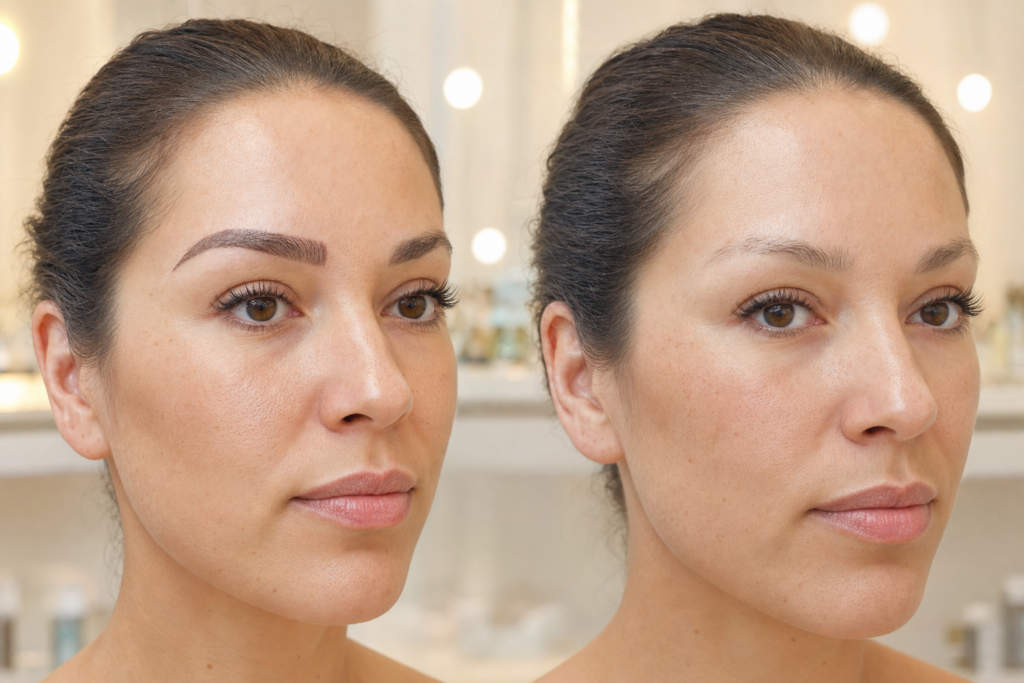
Not every microblading experience ends with perfect brows. The strokes you once loved might now look too dark, uneven, or simply wrong for your face. The good news? You absolutely can remove microblading, and you have more options than you might think.
Whether your brows healed too bold, the shape doesn’t suit your features, or you’re ready for a different technique, microblading removal is possible. The process requires patience and professional expertise, but thousands of clients have successfully corrected or completely removed unwanted permanent makeup.
Your path forward depends on what went wrong, how long ago you got the treatment, and what results you’re hoping to achieve. Some clients need only color correction, while others want complete pigment removal before starting fresh. Understanding your options is the first step toward brows you’ll actually love waking up to.
Let’s explore the real solutions available in 2026, what each method involves, and how to choose the safest approach for your unique situation.
Why Some Clients Want Microblading Removed
Color change ranks as the most common complaint. Microblading pigment can oxidize over time, turning reddish, orange, or even gray depending on your skin chemistry and the original pigment formula. What started as a soft brown might now look unnaturally warm or ashy against your skin tone.
Poor technique shows up in multiple ways. Strokes placed too deep in the skin blur into solid blocks rather than individual hairs. Uneven spacing creates patchy areas. Wrong angles make brows look harsh instead of natural. Shape mistakes are particularly frustrating because they change your entire face, making you look surprised, angry, or simply unlike yourself.
Fading issues create their own problems. Some areas fade faster than others, leaving behind a patchwork effect. The tail might disappear while the front stays dark. Or the opposite happens, with pigment lingering in spots you wish would fade completely.
Arezoo sees correction clients regularly at her Montreal studio, many traveling from across Quebec because they heard about her PHI certification and precision work. She always starts with a thorough consultation to understand what happened, examine the existing work under proper lighting, and determine whether correction or removal makes more sense for that specific case.
Understanding Your Microblading Removal Timeline
Fresh microblading responds differently than older work. If you just healed and hate your results, you have the advantage of time. Newly deposited pigment sits closer to the skin’s surface and hasn’t fully settled into your tissue yet. This makes removal faster and often more complete.
Work older than 18 months behaves differently. Pigment has migrated deeper, your skin has remodeled around it, and the color has likely shifted. Older microblading typically requires more removal sessions, but the good news is that it’s often already partially faded, giving you less total pigment to address.
Your skin type significantly impacts both the original results and the removal process. Oily skin naturally pushes out pigment faster than dry skin, which means your microblading might already be fading on its own. Thicker skin holds pigment differently than thin, delicate skin. Melanin-rich skin requires extra caution with certain removal methods to avoid hypopigmentation.
The pigment quality matters more than most people realize. High-quality, iron-oxide-based pigments designed specifically for microblading remove more predictably than cheap alternatives. Some pigments contain ingredients that resist removal or change color unpredictably during the process. This is why Lelia and Arezoo at Arezoo Beaute only use PHI-approved pigments that they can confidently correct if needed.
Laser Removal for Microblading: What Actually Happens
Laser removal uses Q-switched technology to target pigment particles without destroying surrounding skin. The laser energy shatters pigment into smaller fragments that your immune system can gradually eliminate. Each session breaks down more pigment, lightening the microblading over multiple appointments.
The process requires precision. Unlike laser tattoo removal, which often deals with deeper, denser ink, microblading pigment sits in the upper dermis. This shallower placement means faster results but also demands careful settings to avoid damaging the delicate brow area.
Session spacing matters significantly. Your skin needs 6-8 weeks between treatments to heal completely and flush out the fragmented pigment. Rushing this timeline won’t speed up your results and can actually slow down the process by overwhelming your lymphatic system.
Expect 3-6 sessions for significant fading, possibly more for complete removal. Dark pigments respond faster than light ones. Black and dark brown break down most effectively, while lighter browns and warm tones can be stubborn. Red and orange undertones, common in faded microblading, sometimes require additional sessions.
Ready to enhance your natural beauty?
Book your consultation today and let our expert team help you choose the perfect treatment for your goals.
Saline Removal: The Gentler Alternative
Saline removal works through a completely different mechanism. A technician uses a machine similar to the original microblading tool to implant a specialized saline solution into your brows. This solution draws pigment up to the skin’s surface, where it eventually scabs off along with the saline.
The technique essentially reverses the microblading process. Instead of depositing pigment, the professional is extracting it. The saline creates an osmotic effect that pulls the unwanted color out of your dermis. As your skin heals, it pushes the pigment-saline mixture to the surface.
Saline removal typically requires fewer sessions than laser, often achieving significant results in 2-4 treatments. Each session spaces 6-8 weeks apart to allow complete healing. The method works particularly well on lighter pigments that laser struggles to target, and it poses no risk of hypopigmentation on darker skin tones.
This approach offers advantages for certain clients. If you’re planning to get new microblading after removal, saline preserves your skin texture better than aggressive laser treatment. It’s also the preferred method when you only need partial removal or when correcting specific areas rather than removing everything.
Correction Versus Complete Removal: Making the Right Choice
Correction might solve your problem without full removal. If your shape is good but the color is wrong, adding the right pigment can neutralize unwanted tones. Too red? Cool-toned pigment can balance it. Too light? Proper color theory can restore depth without starting over.
Shape correction requires more nuance. Adding strokes in strategic locations can balance asymmetry or extend a tail that ended too short. Careful mapping can create the illusion of better proportions. However, shape correction has limits, especially if the original work is significantly wrong.
Complete removal makes sense in several situations. When the shape is fundamentally wrong for your face, no amount of correction will fix it. When pigment has spread or blurred beyond the intended area, removal gives you a clean slate. When color has shifted so dramatically that correction would require depositing heavy, opaque pigment, removal and starting fresh produces better results.
Arezoo approaches each correction consultation by first mapping what the client’s ideal brows should look like based on PHI golden ratio principles. She then compares that template to the existing microblading. If the two can be reconciled through strategic pigment placement, correction saves time and money. When they’re incompatible, she recommends removal first, then proper microblading in Montreal using techniques proven over her nine years of experience.
What to Expect During the Removal Process
Your first appointment focuses on assessment. A qualified professional examines your brows under proper lighting, discusses what went wrong, reviews your skin type and medical history, and explains which removal method suits your situation best. This consultation should feel thorough, never rushed.
Each removal session involves some discomfort. Laser removal feels like quick snaps of a rubber band against your skin. Most clients tolerate it well with topical numbing cream. Saline removal feels similar to the original microblading since it uses a similar technique, just with different intentions.
Immediate aftercare is crucial. Your brows will look darker initially, a normal response called frosting with laser or immediate darkening with saline. Swelling and redness are common for 24-48 hours. You’ll receive specific aftercare instructions about keeping the area clean, avoiding sun exposure, and resisting the urge to pick at any scabbing.
The healing timeline unfolds over weeks. Initial healing takes 7-10 days. During this time, you might develop scabs or flaking, which you must let fall off naturally. True results appear 4-6 weeks after treatment once your skin has completely healed and your body has processed the broken-down pigment.
Progress happens gradually. After your first session, you might see 30-50% lightening. Each subsequent session removes more. Some clients feel discouraged after one treatment, expecting complete removal. Understanding that this is a process, not a single fix, helps manage expectations realistically.
Choosing the Right Professional for Safe Removal
Certification matters significantly. For laser removal, seek a technician trained specifically in removing permanent makeup, not just general tattoo removal. The brow area requires different settings and techniques than body tattoos. For saline removal, choose someone certified in the specific method they’re using, with proven before-and-after results.
Experience with corrections separates good technicians from great ones. Ask how many removal cases they’ve completed. Request to see healed photos from multiple clients, not just fresh results. A portfolio showing various skin tones and pigment colors demonstrates versatility.
The consultation reveals professionalism. A quality technician asks detailed questions about your microblading history, examines your skin closely, and discusses realistic expectations. They should explain why they recommend one method over another for your specific case. Red flags include guarantees of complete removal in one session or pressure to book immediately.
Facility standards protect your health. Sterile, single-use tools should be standard practice, just as they are at Arezoo Beaute where every permanent makeup service follows strict PHI Academy protocols. The space should feel clean and professional. Proper lighting allows accurate color assessment. Modern equipment suggests the technician invests in staying current with best practices.
Alternatives to Full Removal Worth Considering
Camouflage offers a less invasive option for some issues. Skilled permanent makeup artists can use flesh-toned pigment to lighten areas that are too dark or minimize unwanted strokes. This technique works best on pigment that’s already partially faded and when you want subtle improvement rather than complete removal.
Natural fading takes time but costs nothing. Your body naturally metabolizes microblading pigment over 1-3 years depending on your skin type, lifestyle, and the original pigment quality. Sun exposure, exfoliating products, and your natural cell turnover all contribute to gradual lightening. If your brows aren’t terrible, just not perfect, waiting might be your best option.
Strategic correction can transform bad brows into acceptable ones. Adding combo brows over faded microblading, for example, can add the powder effect that makes strokes look more intentional. Extending the tail, filling gaps, or adding density in sparse areas might solve your problem without any removal at all.
Temporary solutions provide immediate relief while you decide on permanent fixes. Quality brow makeup can cover unwanted microblading surprisingly well. Brow gels, pomades, and powders let you create the shape and color you want right now, buying you time to research removal options thoroughly rather than making rushed decisions.
Life After Removal: Getting Brows Right the Second Time
Wait before getting new microblading. Your skin needs time to fully recover from removal before accepting new pigment. Most professionals recommend waiting 8-12 weeks after your final removal session. This patience pays off with better pigment retention and more predictable results.
Choose your technique carefully this time. If traditional microblading failed you, consider why. Was your skin too oily for crisp strokes? Combo brows might suit you better, combining fine strokes with shading that holds up longer. Do you want softer results? Ombre brows create a powdered effect without individual strokes that can blur.
Select your artist with lessons learned. Research extensively. Read reviews from multiple sources. Examine healed work, not just fresh photos. Verify certifications. Trust your gut during consultations. If something feels off, keep looking. The right artist will make you feel confident and heard.
Arezoo has seen countless correction and removal clients at her location on Rockland Road in Montreal. Many come to her after disappointing experiences elsewhere, drawn by her reputation as the first PhiBrows Master in Montreal and her nine years of experience. Her team’s approach combines technical PHI training with genuine artistry, ensuring clients leave with brows that enhance their natural beauty rather than looking obviously done.
Frequently Asked Questions About Microblading Removal
How long does complete microblading removal take?
Complete removal typically requires 4-8 months when spacing sessions 6-8 weeks apart. Laser removal usually needs 3-6 sessions, while saline removal often achieves results in 2-4 treatments. Your specific timeline depends on pigment depth, color, and your skin’s response to treatment. Some stubborn pigments require additional sessions beyond initial estimates.
Will microblading removal damage my natural brow hair?
When performed correctly by a trained professional, neither laser nor saline removal should damage your natural brow hair. Laser settings are calibrated to target pigment, not hair follicles. Saline removal works in the dermis layer, which is deeper than hair roots. However, choosing an inexperienced technician or using improper settings can potentially cause temporary hair loss, which is why professional selection is crucial.
Can I remove microblading at home with DIY methods?
Home removal attempts are strongly discouraged. Products claiming to fade permanent makeup at home often contain harsh acids or abrasive ingredients that can cause scarring, infection, or permanent skin damage. Professional removal methods are carefully calibrated for the delicate brow area and performed in sterile conditions. The risk of complications from DIY removal far outweighs the cost of professional treatment.
How much does professional microblading removal cost?
Professional removal typically costs between $150-$400 per session, varying by location, method, and provider experience. Total costs range from $600-$2000 for complete removal depending on how many sessions you need. While this feels expensive, it’s worth investing in qualified professionals rather than choosing the cheapest option. Many providers offer package pricing for multiple sessions.
Is microblading removal painful?
Most clients describe removal as uncomfortable but tolerable with topical numbing cream. Laser removal feels like quick rubber band snaps, while saline removal feels similar to the original microblading process. Pain tolerance varies by individual, but the discomfort is temporary and manageable. The brief discomfort of removal is a small price for correcting brows that make you unhappy every time you look in the mirror.
Moving Forward with Confidence
Bad microblading doesn’t have to be permanent. With the right removal method and qualified professional, you can fade or completely eliminate unwanted permanent makeup. The process requires patience and investment, but thousands of clients have successfully removed microblading and moved forward with brows they love.
Arezoo and her certified team at Arezoo Beaute bring nine years of permanent makeup expertise to every consultation. Their 4.9 Google rating reflects consistent results and genuine care for each client’s unique situation. Whether you need correction, removal guidance, or expert microblading after removal, their PHI-certified approach ensures precision and artistry.
Ready to explore your options? Book your free consultation at Arezoo Beaute’s Montreal location. The team will assess your current brows, discuss realistic solutions, and create a personalized plan to help you achieve the results you deserve. You can also call (514) 814-8007 to speak directly with the team about your specific concerns.