

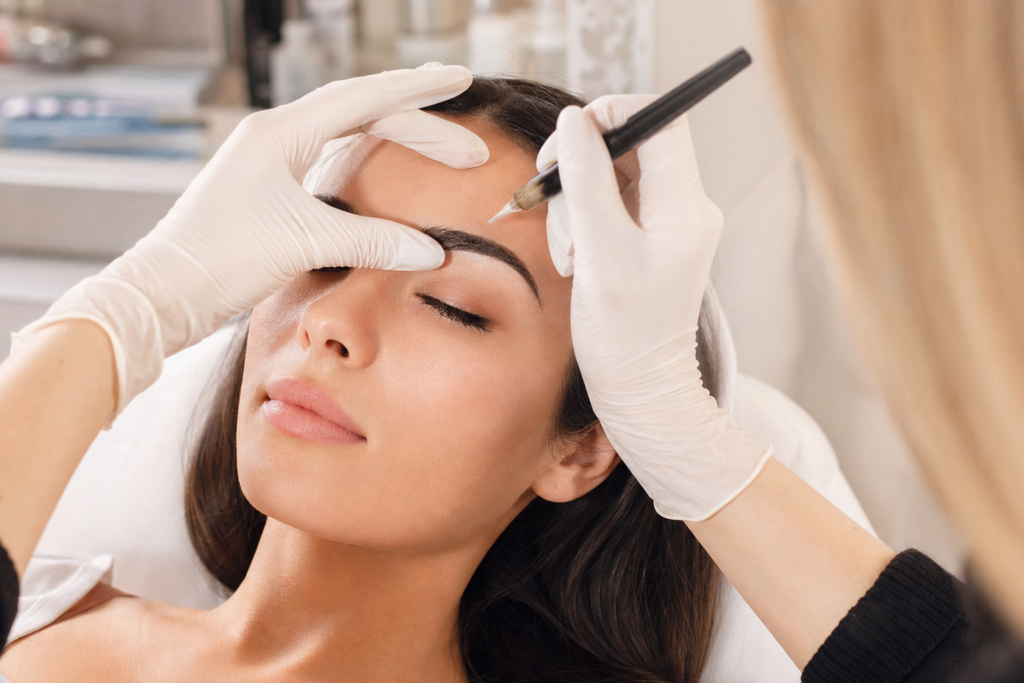
The moment you discover you’re pregnant, every beauty routine suddenly feels like a decision requiring a medical degree. Can I use retinol? What about hair dye? And when you catch your reflection and notice those brows that could use some serious help, the question hits: can I get my eyebrows microbladed while pregnant? The short answer comes with important context that every expecting mother considering permanent makeup should understand before booking any appointment.
Pregnancy brings a unique mix of hormones, heightened awareness of what enters your body, and often a desire to look your best during a transformative time. Microblading sits at the intersection of all these concerns. While you’re busy building a nursery and reading about sleep schedules, your brows might feel like one thing you could actually control with a single appointment.
But the reality of microblading during pregnancy involves more than just aesthetics. It touches on healing processes, pigment interaction with changing hormone levels, pain management options, and most importantly, the wellbeing of both you and your baby. This guide walks you through what certified permanent makeup artists actually recommend, why timing matters more than you think, and what alternatives exist when you just can’t wait nine months.
Whether you’re in your first trimester wondering if it’s safe, or your third trimester desperate for a beauty boost before delivery, understanding the science and professional perspective will help you make the right choice for your situation.
Why Most PMU Artists Don’t Recommend Microblading During Pregnancy
Walk into any reputable permanent makeup studio in Montreal or elsewhere, and most certified artists will politely decline to microblade pregnant clients. This isn’t about being overly cautious or turning away business. It comes from a genuine understanding of how pregnancy affects the body’s response to cosmetic procedures.
The primary concern centers on pain management. Microblading involves creating fine incisions in the skin’s dermal layer to deposit pigment, a process that creates discomfort even for clients with high pain tolerance. Under normal circumstances, topical numbing agents containing lidocaine or epinephrine help manage this sensation. During pregnancy, many of these numbing agents carry unknown risks or are explicitly not recommended.
Without proper numbing, the procedure becomes significantly more uncomfortable. More importantly, your body’s stress response to pain triggers cortisol release and other hormonal shifts that could theoretically affect your pregnancy. While no direct studies link microblading to pregnancy complications, the lack of research itself becomes the issue.
Arezoo, the first PhiBrows Master in Montreal and founder of Arezoo Beaute, consistently advises pregnant clients to wait. With PHI Academy certification earned in 2016 and nine years of experience mapping thousands of brows, she’s witnessed firsthand how pregnancy hormones affect pigment retention and healing. The consultation she offers pregnant clients focuses on explaining these biological factors, not just saying no.
How Pregnancy Hormones Impact Pigment Results and Healing
Your body during pregnancy is running a completely different operating system than usual. Estrogen and progesterone levels surge, blood volume increases by up to 50%, and your immune response shifts to accommodate the growing baby. All of these changes directly affect how your skin responds to microblading.
Pigment retention becomes unpredictable during pregnancy. The increased blood flow can push pigment out during the healing phase, resulting in patchy or uneven results. Some pregnant clients experience hyperreactive healing, where the skin produces excessive scar tissue around the pigment strokes. Others find that hormonal changes cause pigment to fade faster than expected, sometimes within weeks rather than the typical months.
The healing timeline itself extends during pregnancy. Your body prioritizes resources toward your baby’s development, which can slow down skin regeneration at the microblading site. What normally takes seven to ten days might stretch to two weeks or longer, increasing the window for infection risk and pigment migration.
Color shifts present another concern. Pregnancy hormones can alter how pigment appears under your skin. The warm brown you chose might heal with unexpected undertones, requiring additional correction work that you still can’t safely get until after delivery. At Arezoo Beaute on Rockland Road in Montreal, the team has tracked these patterns across hundreds of consultations, noting that even clients who insisted on proceeding against advice often returned disappointed with results.
Skin sensitivity reaches new heights during pregnancy. Areas that never reacted to products before might suddenly become inflamed or irritated. The eyebrow region, rich with nerve endings and close to mucous membranes, becomes particularly reactive. This heightened sensitivity makes predicting your individual response to the procedure nearly impossible.
The Risk Factors No One Talks About
Beyond the obvious concerns about numbing agents and pigment, several lesser-known risk factors deserve attention when considering microblading while pregnant. These aren’t meant to scare you, but to provide the complete picture that helps you make an informed decision.
Infection risk, while low in properly sterilized environments, takes on new significance during pregnancy. Your immune system operates in a delicate balance, suppressed just enough to not reject the baby while still protecting you from pathogens. Any infection, even a minor one localized to the eyebrow area, requires treatment. Many antibiotics commonly used for skin infections fall into pregnancy categories that require careful consideration or are best avoided entirely.
The stress factor extends beyond pain during the procedure. Any cosmetic treatment carries some psychological stress, whether it’s anxiety about results or concern about the healing process. During pregnancy, when you’re already managing new worries and physical changes, adding another stressor might not serve your wellbeing.
Positioning during the procedure creates practical challenges. Microblading typically requires lying flat or slightly reclined for 90 minutes to two hours. In later pregnancy, this position can compress major blood vessels, potentially causing dizziness, nausea, or reduced blood flow to the baby. While adjustments can be made, the optimal positioning for precise brow work might not align with your most comfortable position.
Legal and liability considerations affect what reputable artists will offer. Most professional insurance policies for permanent makeup artists include clauses about treating pregnant clients. Studios operating with proper business practices and certifications, like Arezoo Beaute with its international PHI certifications and sterile single-use tool protocols, follow these guidelines not just for legal protection but because they reflect genuine best practices developed over years of industry experience.
Ready to enhance your natural beauty?
Book your consultation today and let our expert team help you choose the perfect treatment for your goals.
What About Microblading While Breastfeeding?
Once you’ve delivered and started breastfeeding, the question shifts from pregnancy safety to nursing concerns. The guidance here differs slightly from pregnancy recommendations, though caution still applies.
Most certified PMU artists, including the team at Arezoo Beaute, feel more comfortable working with breastfeeding clients than pregnant ones. The primary reason centers on numbing agents. While some topical anesthetics are still best avoided during breastfeeding, others have been studied and shown minimal transfer to breast milk when used in the small quantities typical for microblading.
The healing process returns closer to normal once you’re no longer pregnant. Hormone levels, while still different from pre-pregnancy baseline, stabilize enough that pigment retention and skin healing become more predictable. The blood volume changes that affected pigment during pregnancy normalize within weeks after delivery.
However, timing still matters. Most experienced artists recommend waiting at least three months postpartum before scheduling microblading. This waiting period allows your hormones to settle, your body to recover from delivery, and you to establish a feeding routine. Trying to squeeze in a two-hour appointment during those chaotic early months often leads to scheduling stress that outweighs the benefit of enhanced brows.
When you do proceed with microblading while breastfeeding, inform your artist about your situation. They can select numbing agents with better safety profiles for nursing mothers and adjust timing so you can pump before the appointment if desired. The consultation process at studios like Arezoo Beaute, located at 2305 Rockland Rd in Montreal, includes these conversations to ensure every client feels informed and comfortable.
Safe Alternatives to Microblading During Pregnancy
If you’re determined to improve your brows during pregnancy without the risks of microblading, several effective alternatives exist. These temporary or semi-permanent options give you the look you want without the concerns attached to blade-and-pigment techniques.
Brow tinting offers a simple solution that makes sparse brows appear fuller and more defined. Using vegetable-based or henna dyes specifically formulated for pregnancy, a professional brow tinting service can last three to six weeks. The process takes about 15 minutes, involves no needles or blades, and requires no numbing agents.
Brow mapping and shaping through professional tweezing or threading can dramatically improve your brow appearance without any pigment or chemicals. Armineh, the brow specialist at Arezoo Beaute, works with pregnant clients to find their optimal brow shape using the same golden ratio principles that guide permanent makeup work. Once you know your ideal shape, maintaining it with regular grooming becomes straightforward.
Brow lamination or lifting creates the appearance of fuller, more uniform brows by setting the hairs in an upward direction. While some formulations should be avoided during pregnancy, pregnancy-safe versions exist. An eyebrow lifting treatment lasts six to eight weeks and works particularly well if you have decent brow hair but struggle with shape or direction.
High-quality brow makeup remains the safest option during pregnancy. Modern brow pencils, powders, and gels can create remarkably natural results that rival microblading when applied correctly. Consider investing in a lesson with a makeup artist who can teach you techniques specific to your face shape and coloring. The 15 minutes spent each morning might feel tedious, but it carries zero risk to your pregnancy.
Henna brows provide a middle ground between makeup and permanent solutions. Using plant-based dyes, henna stains both the skin and hair, creating a filled-in effect that lasts up to two weeks on skin and up to six weeks on the hair itself. While research on henna during pregnancy remains limited, it’s generally considered safer than microblading since it involves no skin breaking and no synthetic chemicals.
Planning Your Microblading for After Pregnancy
Rather than rushing into microblading during pregnancy or immediately postpartum, strategic planning ensures you get optimal results when the timing is right. This approach requires patience but delivers better outcomes and fewer complications.
Start with a consultation during pregnancy if you want. Many studios, including Arezoo Beaute with its free consultation offering, welcome pregnant clients for planning sessions. During this visit, you can discuss your desired brow shape, review pigment colors, learn about the process, and schedule a tentative appointment for after delivery. This removes the decision-making burden from those exhausting postpartum weeks.
The ideal timing for microblading after pregnancy depends on whether you’re breastfeeding. If you’re not nursing, you can typically schedule the procedure as soon as six to eight weeks postpartum, once your hormones begin stabilizing. For breastfeeding mothers, waiting three to six months provides better results as your body settles into its new normal.
Consider scheduling your microblading during a time when you have childcare support. The initial appointment takes up to two hours, and you’ll need to return for a touch-up session four to eight weeks later. Both appointments require you to avoid sweating, swimming, and steam for about ten days during healing. Planning these sessions when your partner, family member, or friend can help with baby care reduces stress.
Budget for the procedure during pregnancy so it’s not a financial strain postpartum. Quality microblading from PHI-certified artists ranges from several hundred to over a thousand dollars depending on location and artist experience. Setting aside funds during pregnancy means you can book with confidence when you’re ready.
If you’re considering other treatments like combo brows, which blend microblading with powder shading, discuss these options during your consultation. Some techniques work better for certain skin types or lifestyle factors that might have changed during pregnancy.
When to Absolutely Avoid Microblading
While general guidance suggests waiting until after pregnancy, certain situations create absolute contraindications for microblading regardless of how far along you are or how much you want the procedure.
If you have gestational diabetes, microblading should wait until your blood sugar fully normalizes after delivery. Elevated blood sugar dramatically affects wound healing and increases infection risk. Even well-controlled gestational diabetes creates enough concern that most artists won’t proceed.
High-risk pregnancy of any kind rules out elective cosmetic procedures. If your doctor has advised rest or caution due to preeclampsia, placenta issues, history of preterm labor, or any other complication, microblading falls firmly in the category of unnecessary risk.
Autoimmune conditions that existed before pregnancy but may be affected by pregnancy hormones require careful consideration. Conditions like lupus, rheumatoid arthritis, or psoriasis can affect healing and pigment retention even when you’re not pregnant. During pregnancy, the unpredictability increases enough that waiting becomes the only sensible option.
Keloid scarring tendency means microblading might not be right for you even when you’re not pregnant. If you’re prone to keloid formation, pregnancy hormones can exacerbate this tendency. Discuss alternatives with both your dermatologist and PMU artist before considering any form of permanent makeup.
Active skin conditions on or near the eyebrow area, from eczema to dermatitis to acne, need to fully resolve before microblading. Pregnancy can trigger or worsen these conditions due to hormonal fluctuations. Treating the underlying skin issue takes priority over cosmetic enhancement.
Questions to Ask During Your Consultation
Whether you’re consulting during pregnancy for future planning or after delivery and ready to book, specific questions help you assess whether an artist follows best practices and genuinely prioritizes client safety.
Ask about their policy on pregnant and breastfeeding clients. A reputable answer acknowledges the concerns and explains their decision-making process. Artists who say they’ll microblade anyone anytime without discussing risks should raise immediate red flags.
Question their sterilization and safety protocols. Every tool should be single-use and disposable, opened in front of you. The workspace should follow strict hygiene standards. Artists certified through organizations like PHI Academy, which trained Arezoo and requires ongoing education, maintain these standards as part of their certification.
Inquire about numbing agents specifically. What products do they use? Are they safe for breastfeeding mothers? Can they show you ingredient lists? Artists committed to client safety will have clear answers and alternative options if needed.
Ask to see healed work on clients with similar skin types and coloring to yours. Photos immediately after the procedure always look dramatic. Healed results six months to a year later show the true quality of the artist’s work and how the pigment settles.
Discuss the touch-up process and timeline. Microblading always requires at least one touch-up session, typically included in the initial price. Understanding this timeline helps you plan around your baby’s schedule and any upcoming events.
Request information about their experience and training. How long have they been practicing? What certifications do they hold? Artists with nine years of experience like the team at Arezoo Beaute, combined with international PHI certifications, bring a depth of knowledge that directly affects your results and safety.
Frequently Asked Questions
Can microblading harm my baby during pregnancy?
No direct research links microblading to pregnancy complications or harm to the baby. However, the concerns center on pain management and infection risk rather than the pigment itself. The topical numbing agents typically used carry unknown risks during pregnancy, and performing the procedure without numbing creates unnecessary stress and discomfort. Most certified PMU artists recommend waiting until after delivery as a precautionary measure based on professional best practices rather than documented harm.
How long after giving birth can I get my eyebrows microbladed?
If you’re not breastfeeding, most artists recommend waiting at least six to eight weeks postpartum to allow your hormones to begin stabilizing. For breastfeeding mothers, waiting three to six months provides better pigment retention and more predictable healing. Your body needs time to recover from pregnancy and delivery, and rushing into microblading too soon often results in suboptimal results that require more extensive correction work later.
Are there any numbing options safe for pregnant women during microblading?
Most topical numbing agents used in microblading contain lidocaine, prilocaine, or epinephrine, which fall into pregnancy categories that recommend caution or avoidance. While some natural alternatives exist, none provide the same level of comfort as standard numbing creams. Rather than attempting microblading with inadequate pain management, waiting until after pregnancy allows you to use proven numbing agents safely and ensures a more comfortable experience overall.
Will pregnancy hormones ruin my microblading results?
Pregnancy hormones significantly affect how your skin responds to microblading, often leading to unpredictable pigment retention, altered healing, and unexpected color shifts. The increased blood volume can push pigment out during healing, hormonal changes can cause faster fading, and your skin’s altered sensitivity might trigger reactions that wouldn’t occur otherwise. These factors combine to make microblading during pregnancy a gamble that rarely pays off with the beautiful, long-lasting results you’re hoping for.
What’s the safest way to improve my eyebrows while pregnant?
The safest approach combines professional brow shaping through tweezing or threading with pregnancy-safe brow tinting using vegetable-based or henna dyes. This combination provides definition and fullness without any skin breaking, numbing agents, or synthetic pigments. Many Montreal studios, including Arezoo Beaute, offer these services specifically for pregnant clients who want enhanced brows without the risks associated with microblading. These temporary solutions last several weeks and can be repeated throughout your pregnancy safely.
Your Best Brows Are Worth the Wait
The desire for beautiful, defined brows doesn’t disappear during pregnancy, but the smart approach recognizes that nine months of waiting sets you up for years of gorgeous results. Arezoo brings nine years of experience and PHI certification to every consultation at Arezoo Beaute in Montreal, guiding clients toward decisions that prioritize both safety and stunning outcomes. Her 4.9 Google rating reflects not just technical skill but the trust clients place in her honest guidance, even when that means saying wait.
Rather than rushing into microblading during pregnancy and risking disappointing results or unnecessary complications, plan your perfect brows for the right moment. Book your free consultation at Arezoo Beaute to discuss your vision, explore temporary solutions for right now, and schedule your microblading appointment for when your body is ready to heal beautifully. The wait makes your first postpartum beauty treatment something to genuinely look forward to, and the results will last far longer than your pregnancy ever could. Call (514) 814-8007 or visit the Rockland Road location to start planning your post-baby brow transformation today.