
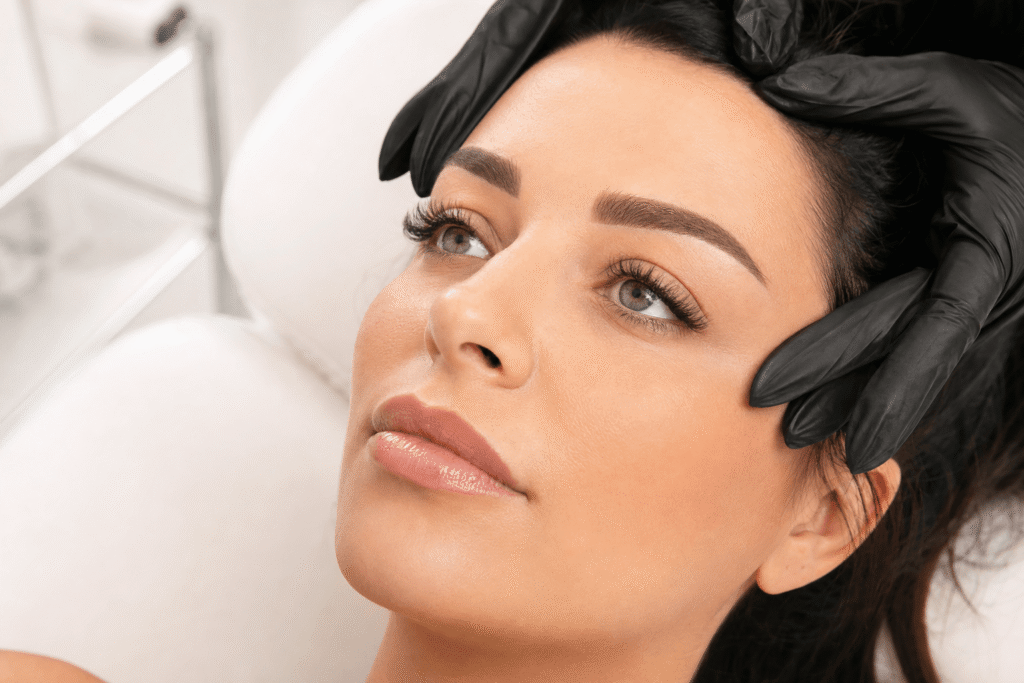
Eyebrow shading, commonly known as microshading, is a semi-permanent makeup technique that creates soft, powdered eyebrows using a stippling method with pigment ink. Unlike microblading which mimics individual hair strokes, microshading produces a filled-in effect similar to makeup powder or an ombre gradient.
This article explains how the microshading technique works, compares it to microblading, outlines the complete process from consultation to healing, and helps you determine whether this method suits your skin type and beauty goals.
Quick Answer
Eyebrow shading (microshading) is a semi-permanent cosmetic tattooing technique that uses tiny dots of pigment to create a soft, powdered brow appearance lasting 1-3 years. It works best for oily or sensitive skin types.
What Is Eyebrow Shading (Microshading)?
Microshading is a form of semi-permanent makeup that deposits pigment into the upper layers of skin using a specialized handheld tattoo tool. The technician creates thousands of tiny dots in a pixelate pattern, building up color gradually to achieve a soft, makeup-like finish.
The technique differs fundamentally from traditional eyebrow tattooing. Rather than using a solid block of color, microshading applies pigment in controlled layers with varying density. Areas requiring more definition receive denser dot patterns, while outer edges fade naturally for a gradient effect.
Arezoo, Montreal’s first PhiBrows Master, has refined this technique since 2016 by applying PHI Academy’s golden ratio principles to map each client’s facial structure before placing any pigment. This mathematical approach ensures symmetry and proportion tailored to individual bone structure.
The results typically last between 18 months and 3 years depending on skin type, lifestyle factors, and aftercare compliance. Unlike permanent tattoos, the pigment gradually fades as skin cells naturally regenerate, allowing for color and shape adjustments over time.
Key Takeaways
- Choose microshading over microblading if you have oily or sensitive skin types
- Expect soft, powdered results lasting 18 months to 3 years with proper care
- Book a consultation to assess your specific skin tone and brow goals
- Avoid sun exposure and moisture during the critical 10-day healing window
- Plan for a touch-up session 6-8 weeks after your initial appointment
How Does Microshading Work? The Pixelate Technique Explained
The microshading process relies on a pixelate or stippling method where the technician uses a digital machine with a single needle or fine grouping of needles. These needles penetrate only the uppermost dermal layer, depositing tiny amounts of pigment with each controlled tap.
Think of it like pointillism in art. Individual dots appear distinct up close, but from normal viewing distance they blend into a cohesive, softly shaded appearance. The technician controls intensity by adjusting dot density and layering.
How Microshading Works on Different Skin Tones
Pigment retention and color appearance vary significantly across skin tones. Lighter skin shows more dramatic contrast initially, while deeper skin tones may require multiple layers to achieve visible saturation.
Montreal’s diverse population means technicians regularly work with olive, brown, and dark skin tones that process pigment differently than fair complexions. Warm undertones pull red pigments forward, requiring cooler ash-based formulas to prevent orange or pink results. Cool undertones benefit from slightly warmer pigment blends to avoid gray or ashy appearances.
Fair skin (Fitzpatrick types I-II) shows immediate color saturation and heals to soft taupe or ash brown tones. Medium olive and warm skin (types III-IV) requires custom blending to match natural undertones, typically healing to rich brown or caramel shades. Deep skin tones (types V-VI) benefit from layered pigment application and often show beautiful, long-lasting results with chocolate, espresso, or ebony formulas that complement natural melanin.
At Arezoo Beaute, 9+ years of experience working with Montreal’s multicultural clientele has revealed how different ethnic backgrounds heal. Thicker skin may experience slightly faster fading, while thinner skin with minimal oil production retains pigment exceptionally well.
Microshading vs Microblading: Which Is Right for You?
The choice between microshading and microblading depends primarily on your skin type, natural brow density, and desired aesthetic. Each technique serves different needs and produces distinctly different results.
Microblading uses a manual blade with tiny needles arranged in a row to create hair-like strokes. It mimics individual brow hairs and works beautifully on normal to dry skin with minimal oil production. The strokes remain crisp and defined throughout the healing process.
Microshading creates a filled-in appearance similar to pencil or powder makeup. The soft shading suits those who prefer a polished, defined look without visible individual strokes. It also accommodates clients who already have decent brow hair but want to add density and shape.
| Feature | Microshading | Microblading |
|---|---|---|
| Technique | Stippling dots with machine | Hair strokes with manual blade |
| Best for Skin Type | Oily, combination, sensitive | Normal, dry |
| Appearance | Soft powder finish | Natural hair strokes |
| Longevity | 18-36 months | 12-18 months |
| Healing Time | 7-10 days | 7-14 days |
| Pain Level | Mild to moderate | Mild to moderate |
| Maintenance | Annual touch-ups | Touch-ups every 12-18 months |
Clients with oily skin typically experience better results with microshading because excess sebum production causes microblading strokes to blur and spread. The dotted pigment application in microshading maintains its structure even as oil moves through pores.
AREZOO BEAUTE
Ready to enhance your natural beauty?
Book your consultation today and let our expert team help you choose the perfect treatment for your goals.
The Microshading Process: What to Expect During Your Appointment
A complete microshading appointment typically requires 2 to 3 hours from consultation through final cleanup. The process begins with face mapping using specialized measurement tools. Arezoo applies PHI Academy’s golden ratio calculations, measuring facial landmarks to determine ideal brow placement, arch position, and tail length.
Next comes color selection. The technician evaluates your natural hair color, skin undertone, and desired intensity. Most clients require custom pigment blending rather than straight-from-bottle shades. A topical numbing cream sits for 20-30 minutes before any pigment touches your skin.
The actual pigment application proceeds in layers. The technician builds density gradually, checking symmetry and shape between passes. Immediately after completion, your brows appear darker and more defined than the final healed result. The color softens by 30-40% during healing. A touch-up session scheduled 6-8 weeks after the initial appointment fills any areas where pigment did not retain optimally.
Microshading Aftercare and Healing Timeline
Proper aftercare determines whether your microshading results last three years or fade within eighteen months. The healing process unfolds in distinct phases, each requiring specific care protocols.
| Healing Stage | Timeline | Appearance | Care Required |
|---|---|---|---|
| Immediate | Days 1-2 | Dark, bold, slightly swollen | Keep dry, apply healing balm |
| Flaking | Days 3-5 | Itchy, scabbing begins | No picking, continue balm |
| Peeling | Days 5-10 | Color lightens 40%, flakes shed | Let skin shed naturally |
| Ghosting | Days 10-14 | Appears very light or patchy | Normal phase, color returns |
| True Color | Weeks 3-4 | Final healed appearance emerges | Resume normal activities |
Essential Aftercare Instructions
The first 10 days prove most critical for pigment retention and infection prevention. Keep the area completely dry for 7-10 days. This means no swimming, steam rooms, saunas, or excessive sweating. Apply the provided aftercare ointment in thin layers 2-3 times daily. A rice-grain amount per brow suffices.
Resist all urges to pick, scratch, or peel forming scabs. Premature removal pulls pigment from underlying skin, creating permanent gaps in the final result. Let all flakes and scabs fall naturally. Avoid makeup, sunscreen, and skincare products directly on the brows during healing.
Montreal Climate Considerations for Microshading
Montreal’s distinct seasons significantly affect healing and long-term results. Winter appointments present challenges with dry indoor heating that can cause excessive flaking and slow healing. Combat this by maintaining proper moisture levels with approved aftercare balm and using a bedroom humidifier during the healing period. Cold outdoor temperatures require extra care when transitioning between environments.
Summer bookings demand diligent sun protection for 4-6 weeks post-procedure. UV exposure breaks down pigment molecules rapidly, causing premature fading and potential color shifts toward red or orange tones. Avoid direct sun exposure completely during the first two weeks, then wear hats and apply SPF 30+ sunscreen on healed brows whenever outdoors. Swimming pools and chlorine exposure should be avoided during peak healing.
Spring and fall offer ideal conditions with moderate temperatures and lower UV exposure. Many Montreal clients at Arezoo Beaute schedule appointments in early fall (September-October) or late spring (April-May) when weather conditions support optimal healing without extreme temperature or sun concerns.
Expert Tip from Arezoo Beaute
Schedule your microshading appointment at least 6 weeks before any major event. This allows complete healing and your touch-up session to occur before important photos. Never book your initial procedure right before a wedding or vacation.
Choosing a Qualified Microshading Technician
Your results depend almost entirely on your technician’s training, experience, and artistic eye. Look for technicians with recognized certifications from reputable academies. PHI Academy represents the gold standard in permanent makeup education, requiring intensive training in color theory, facial mapping, skin anatomy, and sterile procedures.
Portfolio review reveals more than words on a website. Examine healed results photos showing brows 4-6 weeks post-procedure, not just fresh work immediately after treatment. Notice symmetry, color consistency, and how well the results suit each client’s facial features.
Arezoo earned her PHI certification in 2016 and became Montreal’s first PhiBrows Master, a distinction requiring advanced training and demonstrated excellence across multiple technique disciplines. Her 9+ years working with diverse skin types provides insight into how different ethnicities heal and retain pigment.
Questions to ask during your consultation include what certification programs they have completed, how many microshading procedures they have performed, whether you can see healed result photos on skin tones similar to yours, what pigment brands they use and why, and what happens if you are not satisfied with the healed result.
Frequently Asked Questions
What is the difference between microshading and microblading?
Microshading uses a stippling technique with a machine to create tiny dots that produce a soft, powdered appearance. Microblading uses a manual blade to create individual hair-like strokes. Microshading works better for oily or sensitive skin and lasts longer, while microblading creates a more natural hair-mimicking effect suitable for normal to dry skin types.
How long does microshading last?
Microshading typically lasts 18 months to 3 years depending on your skin type, lifestyle, and aftercare compliance. Oily skin types may experience faster fading and require touch-ups every 12-18 months, while drier skin types can maintain results for 2-3 years. Sun exposure, skincare products with acids or retinol, and natural cell turnover all affect longevity.
Does microshading hurt?
Most clients describe microshading as mildly uncomfortable rather than painful. Topical numbing cream applied before the procedure reduces sensation to light scratching or pressure. Pain tolerance varies individually, but microshading typically causes less discomfort than manual blade techniques because the machine provides consistent, controlled pressure.
How much does microshading cost in Montreal?
Microshading in Montreal typically ranges from $400 to $800 for the initial appointment, with touch-up sessions costing $150 to $300. Prices vary based on the technician’s experience level, certification credentials, and salon location. At Arezoo Beaute, microshading packages start at $550 and include the first touch-up session scheduled 6-8 weeks after your initial appointment.
Is microshading suitable for oily or sensitive skin?
Yes, microshading is actually the preferred technique for oily and sensitive skin types. The stippled pigment application maintains better definition on oily skin compared to microblading strokes, which tend to blur and spread due to sebum production. The controlled machine technique also causes less trauma and irritation on sensitive skin compared to manual blade methods.
Can I workout after microshading?
Avoid all workouts and activities that cause sweating for 7-10 days after your microshading appointment. Sweat contains salt and bacteria that can interfere with pigment retention and increase infection risk during initial healing. Learn more about exercise restrictions after permanent makeup procedures. Light walks are acceptable.
What should I avoid before my microshading appointment?
Avoid alcohol, caffeine, and blood-thinning medications (with doctor approval) for 24-48 hours before your appointment as these increase bleeding and reduce pigment retention. Stop using retinol, vitamin C, and chemical exfoliants on your face for one week prior. Do not tweeze, wax, or tint your brows for at least one week before treatment.
Microshading offers a practical solution for clients seeking defined, low-maintenance brows that withstand Montreal’s active lifestyle and climate challenges. The technique’s compatibility with oily and sensitive skin types, combined with its longer retention compared to microblading, makes it increasingly popular among those frustrated with daily brow makeup routines.
Arezoo Beaute’s PHI-certified team brings 9+ years of permanent makeup expertise to Montreal’s diverse population, with particular understanding of how different skin tones and types accept and retain pigment. Ready to wake up to perfectly shaped brows every morning? Schedule your free consultation to discuss your specific goals, skin type, and lifestyle factors with our experienced permanent makeup artists.